

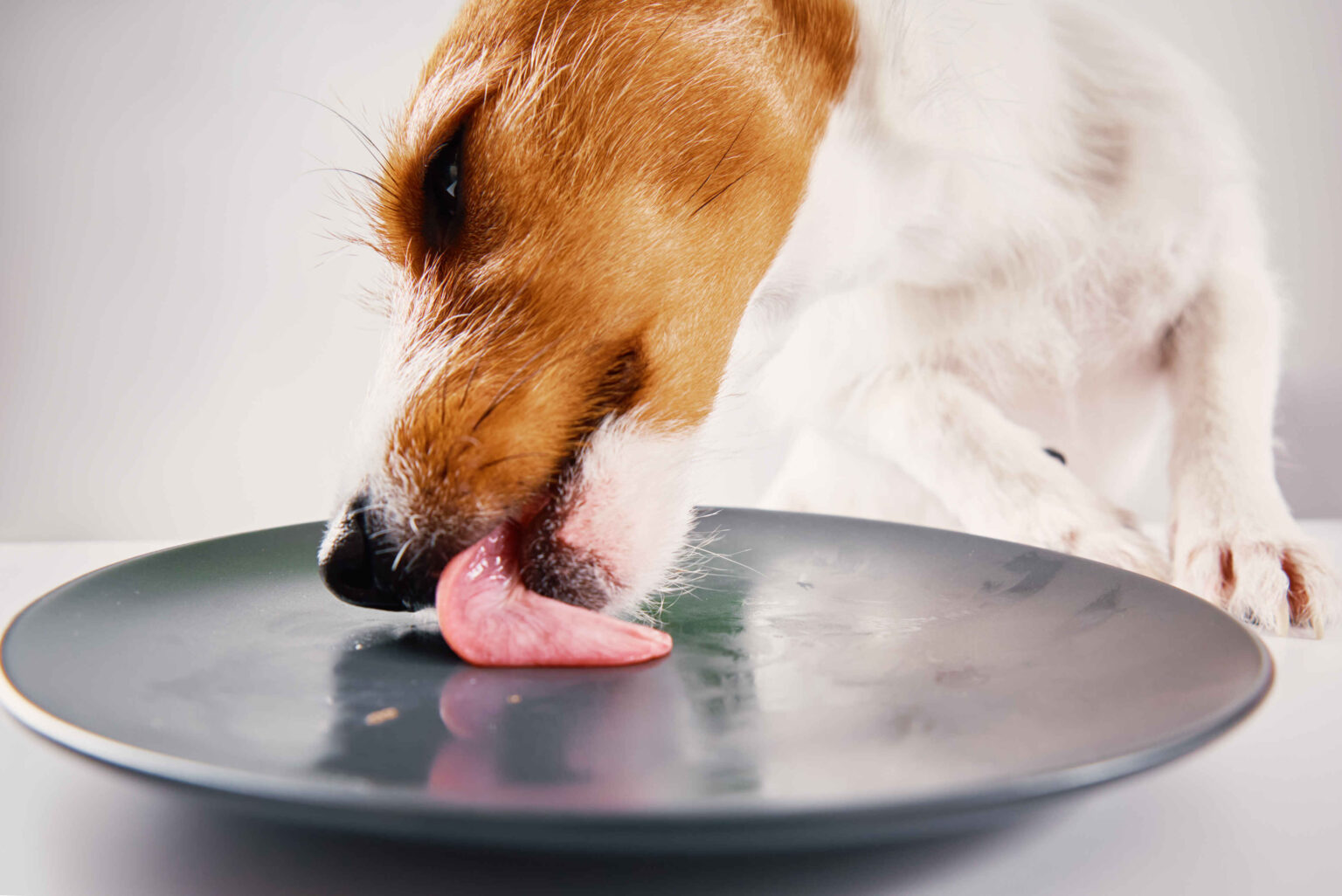
Raw dog food recipes are becoming one of the most popular ways to improve your dog’s health, coat, and energy naturally. Believe it or not, beneath your dog’s cuddly exterior and goofy smile lies the digestive system of a scavenger and carnivore. For thousands of years before the invention of commercial kibble, canines thrived on organic, native, whole-prey diets. Today, a massive movement of pet parents is returning to those roots.
- What Are Raw Dog Food Recipes?
- Is Raw Food Good for Dogs? (Raw Feeding Benefits)
- Raw Dog Food Ratios (At a Glance)
- 3 Easy & Balanced Homemade Raw Dog Food Recipes
- Recipe 1: The Chicken & Organ Starter Bowl
- Recipe 2: The Beef & Berry BARF Blend
- Recipe 3: The Omega-Boost Sardine Smasher
- Raw Dog Food Diet Plan for Beginners
- How Much Raw Food to Feed Your Dog Daily
- Essential Safety Tips for Handling Raw Meat
- Final Thoughts
- Frequently Asked Questions (FAQ)
- References & Further Reading
In the beginning, creating homemade raw dog food can feel intimidating. It certainly takes a bit more time than simply scooping dry kibble into a bowl. You have to understand nutritional ratios, source quality ingredients, and handle raw meat safely. However, once you establish a routine and find reliable sources for your ingredients, raw feeding becomes second nature.
In this comprehensive guide, we will break down the exact science of raw feeding, correct common nutritional myths, and provide you with an easy, balanced raw dog food diet plan to help your furry best friend thrive.
What Are Raw Dog Food Recipes?
Raw dog food recipes are balanced meals made from raw meat, bones, and organs, typically following an 80/10/10 ratio to mimic a dog’s natural diet.
Raw Dog Food Recipes (Quick Guide)
- Ratio: 80% meat / 10% bone / 10% organs
- Best protein: chicken (beginners)
- Feeding amount: 2–3% body weight
- Best for: coat, digestion, energy
Is Raw Food Good for Dogs? (Raw Feeding Benefits)
Advocates of raw feeding report massive transformations in their dogs after making the switch from heavily processed commercial best dog food options. While the AVMA advises caution regarding raw meat handling, the anecdotal and holistic raw feeding benefits observed by thousands of owners are hard to ignore:
- Cleaner Teeth and Fresher Breath: Chewing on raw meaty bones naturally scrapes plaque and tartar away, acting as nature’s dog dental care.
- Healthier Skin and Coat: The high levels of natural, unoxidized fats and Omega-3s in fresh meat lead to incredibly soft, shiny, and flake-free coats.
- Smaller, Less Odorous Stools: Because raw food is highly biologically appropriate, your dog’s body absorbs almost all of it. This results in significantly less waste.
- Increased Energy and Vitality: Free from the heavy carbohydrate load of kibble, dogs often experience more stable, sustained energy levels.
Raw Dog Food Ratios (At a Glance)
One of the biggest mistakes new raw feeders make is just tossing a chicken breast in a bowl and calling it a day. Meat alone is not a balanced diet. You must follow strict ratios to ensure proper dog nutrition.
| Component | Percentage |
|---|---|
| Muscle meat | 70–80% |
| Raw bones | 10% |
| Organs (5% Liver, 5% Other) | 10% |
| Extras (Vegetables, Seeds) (optional) | 0–10% |
1. Muscle Meat (70% – 80%)
This is the foundation of your dog’s menu. It provides essential proteins, amino acids, and water-soluble vitamins. Great sources include beef chunks, ground turkey, chicken breast, pork shoulder, and even muscular organs like the heart and lungs.
2. Raw Meaty Bones (10%)
CRITICAL SAFETY NOTE: Never, ever feed your dog cooked bones. Cooking calcifies bones, making them brittle and highly prone to splintering. Safe options include raw chicken necks, duck wings, turkey tails, and rabbit ribs.
3. Secreting Organs (10%)
Exactly 5% of your dog’s diet must be liver (beef, chicken, or pork), which provides massive amounts of Vitamin A. The other 5% should be another secreting organ, such as kidney, spleen, or pancreas.
3 Easy & Balanced Homemade Raw Dog Food Recipes
The great thing about the raw food diet is that every single meal does not have to be mathematically perfect. Balance is achieved over time (usually over the course of a week).
Recipe 1: The Chicken & Organ Starter Bowl
Chicken is an excellent starting point because it is affordable, widely available, and very easy on a dog’s digestive system.
- Muscle Meat: Boneless, skinless chicken thighs and chicken hearts.
- Bone: Raw chicken wings or chicken necks.
- Organs: Raw chicken liver and beef kidney.
- Extras: Pureed carrots, spinach, and a spoonful of plain, unsweetened kefir.
Recipe 2: The Beef & Berry BARF Blend
Beef is rich in iron, zinc, and B vitamins. Try to source your beef from a local butcher or farmers market to avoid the heavy sodium solutions sometimes injected into grocery store meats.
- Muscle Meat: Lean beef chunks (chuck or round) and beef heart.
- Bone: Raw duck necks.
- Organs: Beef liver and beef spleen.
- Extras: Pureed blueberries, broccoli sprouts, and a cracked raw egg.
Recipe 3: The Omega-Boost Sardine Smasher
There is an incredible amount of nutrition in whole, raw sardines. They are an incomparable source of Omega-3 fatty acids, which work wonders for cognitive function and coat health.
- Muscle Meat: Ground turkey breast and turkey gizzards.
- Bone: Raw turkey necks (cut into manageable pieces).
- Organs: Turkey liver and pork kidney.
- Extras: 2 to 3 whole, raw, frozen sardines. Do not thaw them—serving them frozen provides a fun, crunchy texture!
Raw Dog Food Diet Plan for Beginners
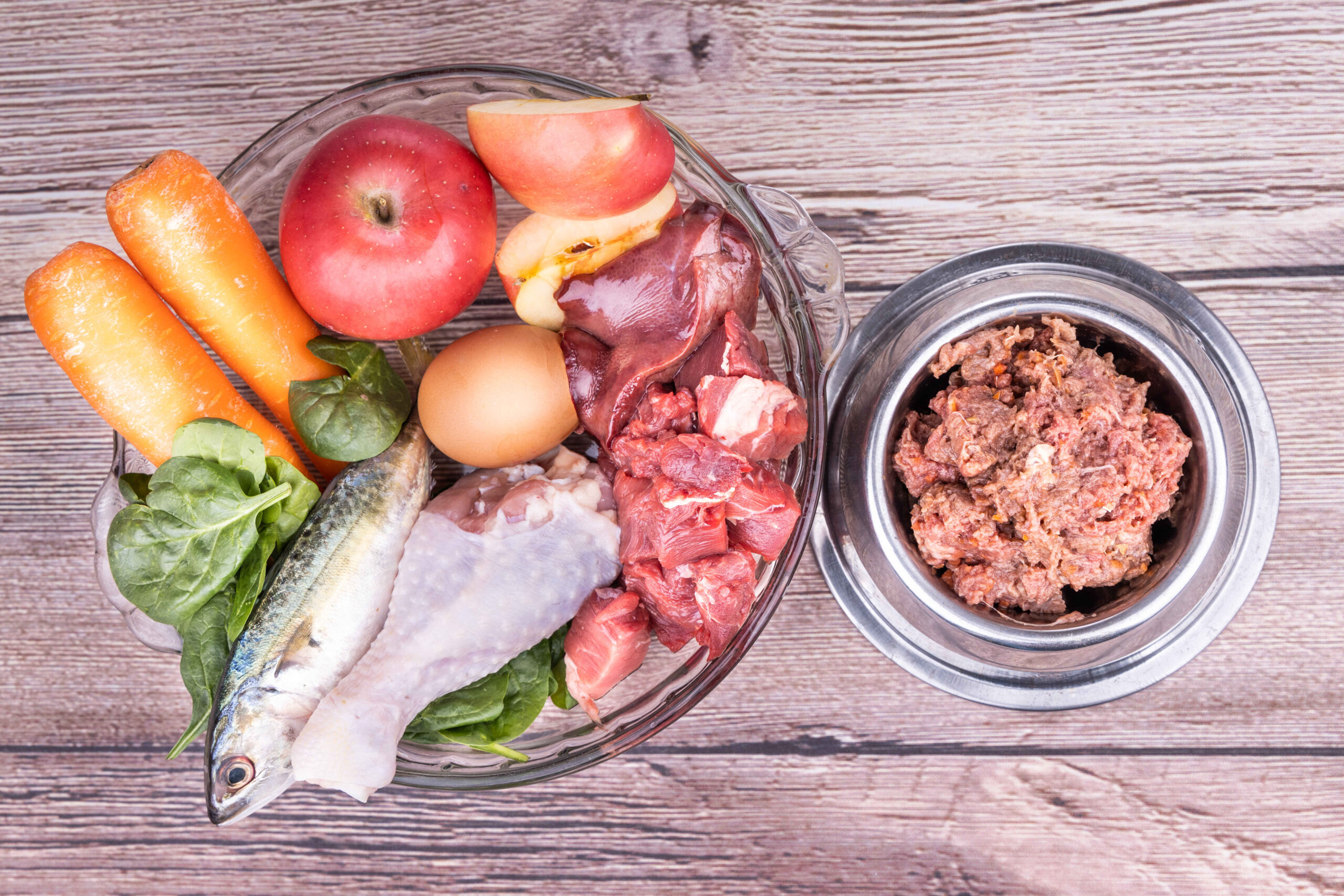
If you are ready to start, you need a solid raw dog food diet plan for beginners. Do not switch from dry kibble to a full raw diet overnight. The pH of a dog’s stomach needs time to adjust to breaking down raw meat and bone.
- Days 1-3 (The Fast & Introduction): Fast your dog for 12-24 hours to clear their digestive tract of kibble. Introduce a single, bland protein (like boneless chicken breast) in small meals.
- Days 4-7 (Adding Bone): Introduce soft, raw meaty bones like chicken necks or wings. Monitor their stool; if it is too loose, add slightly more bone. If it is chalky and white, reduce the bone.
- Week 2 (Adding Organs): Slowly introduce liver. Liver is very rich, so adding too much too quickly will cause “pudding stool.” Start with a tiny sliver and build up to the full 5%.
- Week 3 (Adding Variety): Once your dog is successfully digesting chicken, bone, and organs, slowly introduce a second protein, such as beef or turkey.
If you want to treat your dog during the transition without upsetting their stomach, check out our guide on how to make safe, limited-ingredient DIY dog treats.
How Much Raw Food to Feed Your Dog Daily
Determining your dog’s daily portion is straightforward mathematics. As a general rule, an average adult dog should eat 2% to 3% of their ideal adult body weight in raw food per day.
- For weight loss: Feed 2% of their ideal body weight.
- For maintenance: Feed 2.5% of their ideal body weight.
- For weight gain: Feed 3% to 4% of their ideal body weight.
Essential Safety Tips for Handling Raw Meat
The biggest argument against raw dog food recipes is the risk of bacterial contamination. You must practice strict kitchen hygiene:
- Designate Tools: Use a separate cutting board, knife, and mixing bowl specifically for your dog’s raw food prep.
- Wash Vigorously: Wash your hands, surfaces, and dog bowls with hot, soapy water immediately after handling raw meat.
- Freeze First: According to raw feeding experts at Perfectly Rawsome, freezing certain meats (like pork and wild game) for 3 weeks before feeding is crucial to kill off potential parasites.
Final Thoughts
Raw feeding can transform your dog’s health when done correctly. By following proper ratios, using high-quality ingredients, and maintaining strict hygiene, you can safely provide a natural and balanced diet for your dog. It may take a little extra time and freezer space, but seeing your dog thrive with boundless energy and a glowing coat makes every minute of meal prep entirely worth it.
Frequently Asked Questions (FAQ)
What is the best raw dog food for beginners?
Chicken or turkey are the best starter meats. They are bland, highly digestible, and their bones (like wings and necks) are soft and easy for dogs to crunch through while they are learning how to eat a raw diet.
Can I feed my dog raw grocery store meat?
Yes, you can use grocery store meat. However, you must carefully read the labels. Avoid any chicken or pork that has been “enhanced” or “plumped” with sodium solutions or broths, as the high salt content is dangerous for dogs.
Is raw pork safe for dogs?
Yes, raw pork is safe and highly nutritious for dogs, provided it has been frozen for at least 3 weeks prior to feeding to eliminate the risk of parasites.
How do I prepare vegetables for raw dog food?
Dogs lack the enzyme cellulase, which is needed to break down the cell walls of plants. To ensure your dog actually absorbs the nutrients from vegetables, you must puree them in a blender or lightly steam them before adding them to the bowl.
Why is my dog drinking less water on a raw diet?
This is completely normal! Dry kibble contains only about 10% moisture, meaning dogs must drink constantly to stay hydrated. Raw meat is naturally 70% to 80% moisture, so your dog is getting the vast majority of their hydration directly from their meals.
References & Further Reading
- American Kennel Club (AKC): Raw Dog Food: Dietary Concerns, Benefits, and Risks – akc.org/expert-advice/nutrition
- American Veterinary Medical Association (AVMA): Raw or Undercooked Animal-Source Protein Diets – avma.org
- Perfectly Rawsome: Raw Feeding Guides and Calculators – perfectlyrawsome.com
- U.S. Food & Drug Administration (FDA): Get the Facts! Raw Pet Food Diets can be Dangerous to You and Your Pet – fda.gov