
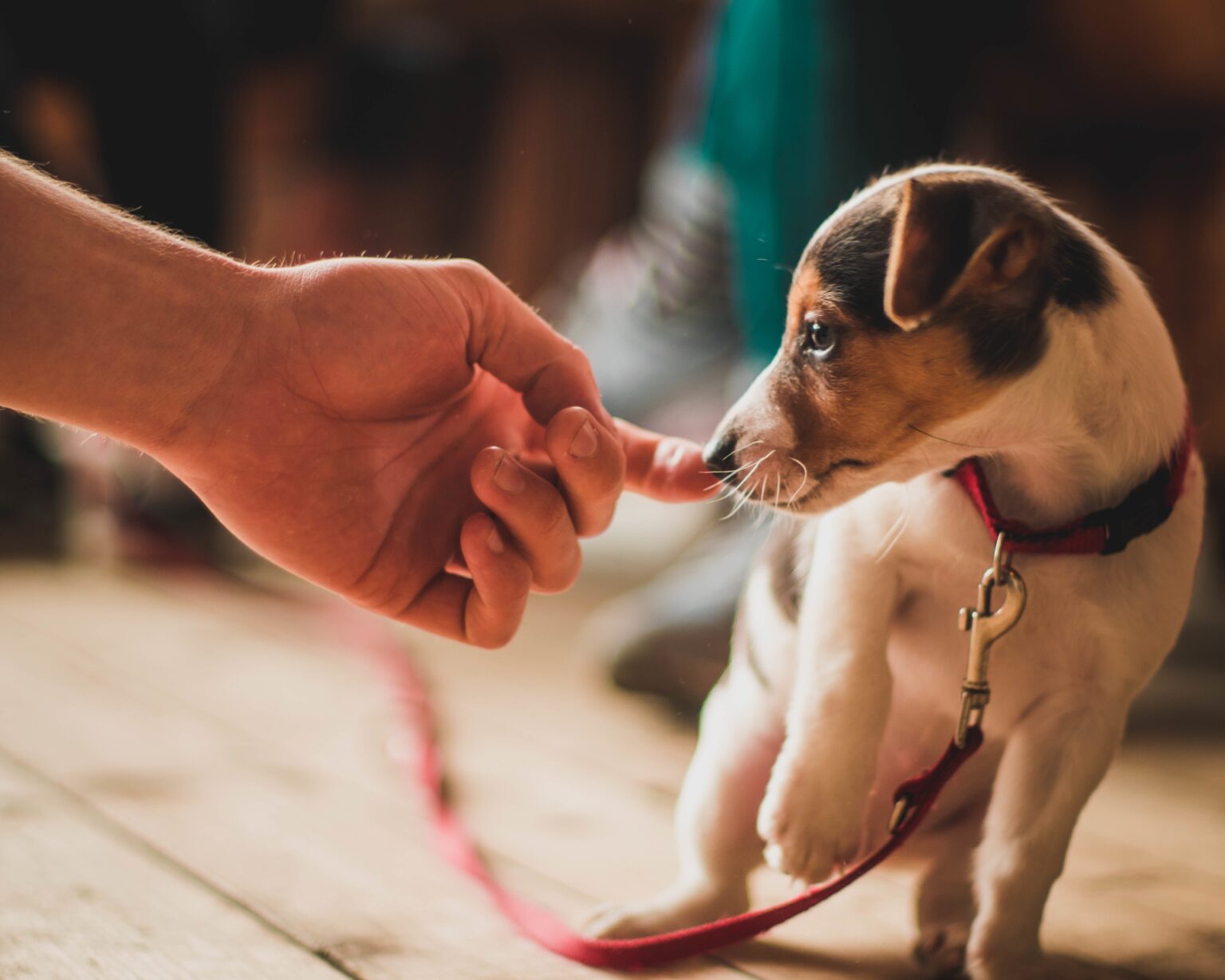
Bringing a new puppy into your home is an incredibly exciting and joyous experience. Those tiny paws, wagging tail, and adorable puppy eyes can melt even the toughest hearts. However, alongside the cuteness comes a significant responsibility: training. Puppyhood is a critical period for learning and development, laying the groundwork for your dog’s future behavior and temperament. While every new pet parent strives to do their best, it’s easy to fall into common training traps.
- The Foundation of Puppy Training: Understanding Your Pup
- Common Puppy Training Mistakes and How to Fix Them
- Mistake 1: Starting Training Too Late / Lack of Early Socialization
- Mistake 2: Inconsistent Training and Expectations
- Mistake 3: Relying Solely on Punishment Instead of Positive Reinforcement
- Mistake 4: Giving Too Much Freedom Too Soon (The Potty Training Pitfall)
- Mistake 5: Inadvertently Rewarding “Bad” Behavior
- Mistake 6: Neglecting Handling and Grooming Desensitization
- Mistake 7: Expecting Too Much, Too Soon (The Patience Factor)
- Conclusion
- References
Don’t worry, you’re not alone! Many well-meaning owners inadvertently make mistakes that can hinder their puppy’s progress or even create behavioral challenges down the line. The good news is that most of these mistakes are fixable, and with the right knowledge and a dash of patience, you can guide your puppy to become a happy, well-adjusted, and beloved member of your family.
This comprehensive guide from Pets and Paw will walk you through the most frequent puppy training missteps and, more importantly, provide practical, actionable solutions to help you get back on track. Let’s dive in and set your puppy up for success!
The Foundation of Puppy Training: Understanding Your Pup
Before we delve into specific mistakes, it’s crucial to remember that puppies are not miniature adult dogs. They are learning machines, constantly exploring their world, testing boundaries, and figuring out what works (and what doesn’t). Their brains are developing rapidly, and they have specific needs related to their age and breed. Understanding these basics will help you approach training with empathy and effectiveness.
- Critical Learning Periods: Puppies have sensitive periods for socialization and learning. Missing these windows can make certain training aspects more challenging later on.
- Short Attention Spans: Puppies can’t focus for long. Short, frequent training sessions are far more effective than long, drawn-out ones.
- Natural Instincts: Biting, chewing, digging, and exploring are natural puppy behaviors. Our job isn’t to eliminate them entirely but to redirect them appropriately.
- Bladder Control: Young puppies simply don’t have the physical ability to hold their bladder for extended periods. Expect accidents!
Common Puppy Training Mistakes and How to Fix Them
Mistake 1: Starting Training Too Late / Lack of Early Socialization
Many new owners believe they should wait until their puppy is older or has completed all vaccinations before starting training and socialization. This is a significant oversight.
Why it’s a mistake: The period between 3 and 16 weeks of age is a critical socialization window for puppies. During this time, they are most open to new experiences and form lasting impressions about the world around them. Missing this window can lead to fear, anxiety, and reactivity towards new people, places, sounds, and other animals later in life [1]. Delaying basic training also means missing opportunities to establish good habits early.
How to fix it:
- Start Immediately: Basic training like name recognition, sit, and coming when called can begin the moment your puppy comes home.
- Safe Socialization: While waiting for full vaccinations, you can still safely socialize your puppy. This includes inviting vaccinated friends and their calm, vaccinated dogs to your home, carrying your puppy in public places (like a pet carrier) to expose them to sights and sounds without direct contact with the ground, and enrolling in reputable “puppy kindergarten” classes that require proof of vaccinations and prioritize cleanliness [2].
- Positive Exposure: Introduce your puppy to a variety of gentle people, different surfaces, sounds (like vacuums or doorbells at low volume), and environments in a positive, controlled manner. Pair new experiences with treats and praise to create positive associations.
Mistake 2: Inconsistent Training and Expectations
One day your puppy is allowed on the couch, the next they’re not. One person uses “sit,” another uses “butt down.” This mixed messaging is a recipe for confusion.
Why it’s a mistake: Puppies learn through repetition and clear associations. Inconsistency makes it impossible for them to understand what is expected. If rules vary, your puppy will become confused, frustrated, and less likely to comply with commands.
How to fix it:
- Family Alignment: Ensure everyone in the household (and frequent visitors) agrees on the rules, commands, and acceptable behaviors. Hold a family meeting to discuss expectations for the puppy.
- Consistent Commands: Use the same verbal cues and hand signals for each command. Avoid “sit down,” “sit up,” “sitty,” stick to one clear word: “Sit.”
- Follow Through: Once you give a command, ensure your puppy follows through. Don’t give up if they don’t respond immediately. Gently guide them into position if necessary, then reward.
- Short, Frequent Sessions: Instead of one long, overwhelming training session, aim for 5-10 minute sessions several times a day. This helps maintain your puppy’s focus and makes learning fun.
Mistake 3: Relying Solely on Punishment Instead of Positive Reinforcement
Yelling at your puppy, hitting them, or using harsh physical corrections might stop a behavior in the moment, but it’s detrimental in the long run.
Why it’s a mistake: Punishment-based training can damage the bond between you and your puppy, leading to fear, anxiety, and aggression. It teaches your puppy what not to do, but not what to do. Your puppy may become afraid of you or the situation, rather than understanding the desired behavior. It can also suppress natural behaviors, leading to more serious issues [3].
How to fix it:
- Embrace Positive Reinforcement: This is the most effective and humane way to train. Reward desired behaviors (sitting, coming, peeing outside) with high-value treats, praise, toys, or petting. The timing is crucial: the reward must happen within 1-3 seconds of the desired action.
- Redirect Undesirable Behaviors: If your puppy is engaging in a behavior you dislike, such as chewing on a shoe, calmly interrupt them with a neutral sound (like “Ah-ah”), remove the shoe, and immediately offer an appropriate chew toy. When they take the toy, shower them with praise. This teaches them what to chew on rather than just punishing them for making a natural puppy choice.
Mistake 4: Giving Too Much Freedom Too Soon (The Potty Training Pitfall)
It is tempting to let your adorable new puppy roam freely around the house, exploring their new kingdom. However, unrestricted access is the leading cause of house training failures and chewed-up furniture.
Why it’s a mistake: A puppy’s bladder is tiny, and their physical control is underdeveloped. A general rule of thumb is that a puppy can hold their bladder for one hour per month of age [4]. If they are allowed to wander out of your sight, they will inevitably find a quiet corner to relieve themselves or a dangerous electrical cord to chew on. Every time a puppy successfully goes potty in the house, a bad habit is reinforced.
How to fix it:
- Utilize Crate Training: A properly introduced crate becomes a safe den for your puppy. Because dogs naturally avoid soiling their sleeping area, crate training is an invaluable tool for housebreaking.
- Umbilical Cord Training: When your puppy is out of the crate, tether them to your belt loop with a 6-foot leash. If they are attached to you, they cannot sneak off to have an accident, and you can catch their “pre-potty” signals (sniffing, circling) immediately.
- Strict Schedules: Take your puppy outside to their designated potty spot immediately after they wake up, after every meal, after vigorous play, and before bed.
Mistake 5: Inadvertently Rewarding “Bad” Behavior
Puppies are brilliant at figuring out what gets your attention. Unfortunately, owners often accidentally reward the exact behaviors they are trying to stop.
Why it’s a mistake: To a puppy, any attention is good attention. If your puppy jumps on you and you push them away while saying “No, get down!”, you have just rewarded them with physical touch and vocal engagement. If they bark at you for dinner and you feed them to quiet them down, you have taught them that barking produces food.
How to fix it:
- Ignore the Undesirable: The most powerful tool you have is withdrawal of attention. If your puppy jumps up, immediately cross your arms, turn your back, and look at the ceiling. Become a boring statue. The moment all four paws are back on the floor, calmly turn around and offer praise or a treat.
- Wait Out the “Extinction Burst”: When you stop rewarding a bad behavior (like demand barking), the puppy will likely try harder and bark louder before giving up. This is called an extinction burst. Stay strong, do not give in, and wait for them to offer a quiet, calm behavior before interacting.
Mistake 6: Neglecting Handling and Grooming Desensitization
Many owners focus purely on obedience (sit, stay, come) and forget that their dog will need to be handled by veterinarians, groomers, and family members for the rest of their life.
Why it’s a mistake: Trying to trim the nails of an adult dog who has never had their paws handled is a stressful, sometimes dangerous ordeal. Waiting until a dog has an ear infection to try and look inside their ears will result in a fearful, struggling pet.
How to fix it:
- Daily Touch Sessions: When your puppy is sleepy and calm, gently touch their paws, massage their ears, and lift their lips to look at their teeth [5].
- Pair with High-Value Treats: If your puppy pulls their paw away, don’t force it. Touch the paw for just one second, feed a treat, and let go. Gradually increase the duration of the handling as they become comfortable.
- Introduce Tools Slowly: Let your puppy sniff the nail clippers or the brush while getting a treat before you ever attempt to use them on their body.
Mistake 7: Expecting Too Much, Too Soon (The Patience Factor)
We often watch perfectly trained adult dogs on social media and expect our 10-week-old puppy to behave the same way.
Why it’s a mistake: Unrealistic expectations lead to owner frustration, which the puppy can sense. A puppy’s brain is not fully mature until they are 1 to 2 years old, depending on the breed. They will go through “teenage” rebellion phases, fear periods, and teething pain. Expecting perfection will only damage your relationship.
How to fix it:
- Celebrate Small Wins: Did your puppy only have one accident today instead of three? That’s a massive victory! Did they hold their “sit” for two seconds instead of one? Praise them heavily.
- Remember Their Age: When you feel yourself getting frustrated, remind yourself that your puppy is the equivalent of a human toddler. They aren’t trying to be stubborn; they are simply trying to navigate a human world with a canine brain. Take a deep breath, reset, and try again tomorrow.
Conclusion
Training a puppy is a journey filled with ups, downs, chewed slippers, and moments of incredible pride. By avoiding these common training mistakes—or correcting them quickly if you’ve already made them—you are setting the stage for a lifetime of mutual respect and companionship.
Remember that consistency, positive reinforcement, and proactive management are your best friends. Your puppy desperately wants to please you; they just need you to speak their language clearly and compassionately. Stay patient, keep your training sessions fun, and enjoy the wonderful process of watching your chaotic little fluffball grow into a magnificent, well-mannered adult dog.
References
- American Kennel Club (AKC). (2023). Why Puppy Socialization Is So Important.
- American Veterinary Medical Association (AVMA). (2024). Puppy Socialization Guidelines and Safe Exposure.
- American Society for the Prevention of Cruelty to Animals (ASPCA). (2023). The Power of Positive Reinforcement Training.
- VCA Animal Hospitals. (2024). Housetraining Basics for Puppies.
- PetMD. (2022). How to Desensitize Your Puppy to Touch and Grooming.