




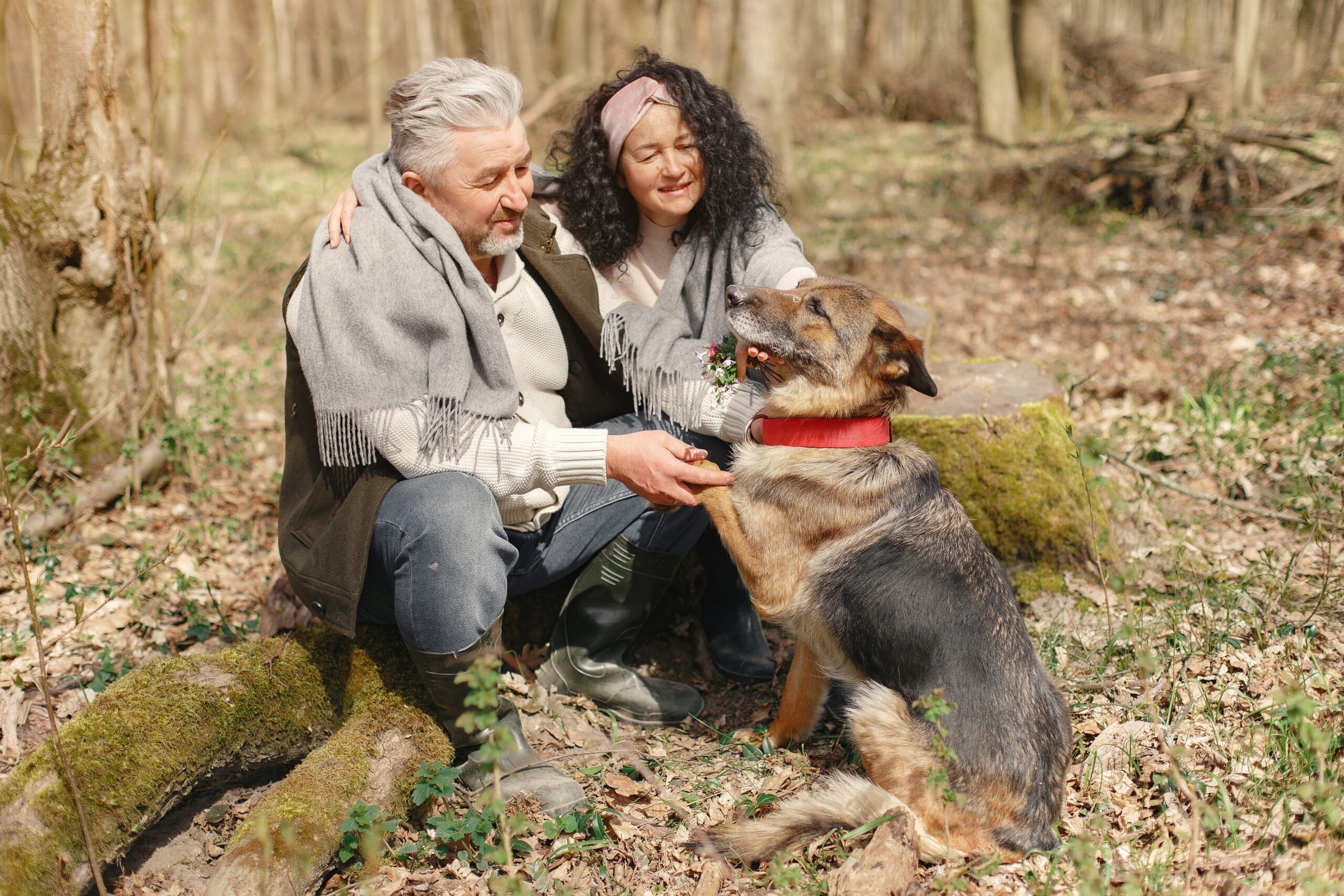
As we age, the quiet of a home can transition from peaceful to isolating, often leading to a decline in both mental and physical vitality. For many older adults, the solution isn’t found in a prescription bottle, but in the wag of a tail or the soft purr of a companion. Senior living with pets is more than a lifestyle choice; it is a scientifically proven strategy for healthier aging. This guide explores how animal companionship specifically targets the challenges of senior life, from reducing the risk of heart disease to providing a vital sense of daily purpose and routine.
1. The Mental Health Revolution: Purpose and Presence
Loneliness is a significant health crisis for the elderly, with clinical data suggesting that social isolation can be as detrimental to health as obesity or heavy smoking. Pets offer a constant, non-judgmental presence that combats the “silent house” syndrome.
The Power of Routine
For many seniors, the loss of a professional career or a bustling household can lead to a sense of aimlessness. According to a 2025 National Poll on Healthy Aging, 83% of pet owners aged 50–80 reported that their pets gave them a renewed “sense of purpose.” The simple act of feeding a cat at 7:00 AM or walking a dog twice a day creates a cognitive anchor, helping to maintain mental clarity and emotional stability.
Reducing Depression and Anxiety
Interaction with animals triggers the release of oxytocin, often called the “love hormone,” while simultaneously lowering cortisol, the body’s primary stress hormone. This biological shift is particularly beneficial for those experiencing the early stages of cognitive decline, as it reduces the agitation and “sundowning” often associated with memory loss.
2. Physical Benefits: Heart Health and Mobility
Owning a pet is one of the most effective ways to ensure a senior remains physically active. While a gym membership might feel like a chore, a dog’s need for a walk is a joyful obligation.
- Cardiovascular Health: The American Heart Association (AHA) has long noted that pet owners have lower resting heart rates and blood pressure. This reduces the long-term risk of stroke and heart disease.
- Mobility Maintenance: Regular movement associated with pet care—such as bending to fill a water bowl or walking through a park—maintains joint flexibility and muscle tone.
- Immune Support: Exposure to the microbiome of a healthy pet can actually strengthen a senior’s immune response, making them more resilient to common seasonal illnesses.
A recent longitudinal study published by Taylor & Francis (2025) confirmed that dog owners, in particular, demonstrate a slower decline in cognitive function and physical independence compared to their pet-free counterparts.


4. Choosing the Right Companion for Your Lifestyle
Not every pet is suitable for every senior. The key to a successful partnership is matching the animal’s energy level to the owner’s physical capabilities.
| Pet Type | Best For… | Maintenance Level |
|---|---|---|
| Adult Cats | Seniors with limited mobility who want affection. | Low (Indoor only, litter box) |
| Small Senior Dogs | Those who enjoy short, gentle walks. | Medium (Grooming, daily walks) |
| Freshwater Fish | Visual relaxation and low physical demand. | Very Low (Feeding, light cleaning) |
| Interactive Birds | Seniors who want sound and conversation. | Medium (Cage cleaning, social time) |
For those who may not be able to commit to long-term ownership, robotic pets have become a popular alternative in 2026. These AI-driven companions wag, purr, and respond to touch without the need for food or veterinary care, offering comfort for those in advanced care settings.
5. Financial and Practical Planning
Before bringing a pet into a senior living environment, it is crucial to consider the 2026 economic landscape of pet ownership. According to PetPlace and the Bureau of Labor Statistics, vet services have risen by 5.3% year-over-year.
The True Cost of Pet Parenthood
A senior should budget for:
- Insurance: Pet insurance is highly recommended to avoid large, unexpected medical bills.
- Routine Care: Regular dental cleanings and vaccinations are vital to prevent expensive chronic issues.
- Contingency Plans: Identify a family member or a professional pet-sitting service that can step in if the senior requires a hospital stay.
Frequently Asked Questions (FAQs)
What are the best low-maintenance pets for seniors?
Adult cats (specifically breeds like Ragdolls or British Shorthairs) and older “lap dogs” are ideal. They require significantly less training than puppies and are content with a slower pace of life.
Does pet ownership help with dementia?
Yes. Clinical research from Manchester Metropolitan University (2026) indicates that people living with mild dementia who own dogs show a slower decline in cognitive function and functional ability, helping them remain independent longer.
How do I find pet-friendly senior housing?
When touring communities, ask for their specific “Pet Policy.” Look for inclusive communities that have eliminated breed or weight restrictions and offer amenities like on-site dog parks or “pet concierge” services.






3. Expanding Social Networks
One of the hidden benefits of senior living with pets is the “social catalyst” effect. Pets serve as natural icebreakers. Walking a dog in a retirement village or a local park invites conversation with neighbors and fellow pet lovers, helping to bridge the gap between generations.
Even for those with limited mobility, pets provide a gateway to the digital world. Many seniors find joy in joining online breed-specific communities or sharing pet photos on social media, which provides a sense of belonging in a modern, tech-driven world.