



Welcoming a companion into your home brings immeasurable joy, but the rising costs of veterinary services and premium supplies can quickly strain a household budget. Many owners find themselves overwhelmed by the financial demands of high-quality nutrition and emergency care. However, learning how to save money on pet care doesn’t mean compromising your best friend’s health. By shifting toward preventative wellness, smart bulk purchasing, and DIY maintenance, you can significantly reduce your annual expenses. This guide provides a professional roadmap to providing elite-level care for your pet while maintaining a sustainable and healthy bank account.
- 1. Strategic Adoption: Starting on the Right Financial Foot
- 2. Mastering the Art of Bulk Purchasing
- 3. DIY Grooming: Professional Results at Home
- 4. Preventative Wellness: The Billion-Dollar Secret
- 5. Choosing Budget-Friendly Species and Breeds
- Frequently Asked Questions
- How can I find low-cost vet clinics?
- Is generic pet food safe?
- Can I use human shampoo on my pet to save money?
- References & Expert Sources


1. Strategic Adoption: Starting on the Right Financial Foot
Choosing where your pet comes from is the first major financial decision you will make. While designer breeds from private sellers often come with four-figure price tags, adopting from a shelter is a socially responsible way to reduce initial costs.
The Hidden Value of Shelter Fees
Most shelters charge an adoption fee that is significantly lower than a breeder’s price. More importantly, this fee usually includes “pre-installed” value. Shelters typically cover the cost of spaying or neutering, initial vaccinations, and microchipping. If you were to pay for these services individually at a private clinic, you could easily spend $500 to $800. By adopting, you effectively bypass these startup costs.
Health and Temperament Benchmarking
Professional shelters perform rigorous health screenings and behavioral assessments before a pet is cleared for adoption. This transparency helps you avoid the “lemon” effect—where an unknowingly sick animal from an unverified source leads to thousands in immediate vet bills. For more on preparing your home for a new arrival, see our guide on essential pet starter kits.
2. Mastering the Art of Bulk Purchasing
In 2026, the “subscription economy” and bulk buying are the most effective ways to combat inflation in the pet aisle. Buying in larger quantities reduces the “price per ounce,” which adds up to hundreds of dollars in savings annually.
Nutritional Strategy
Dry kibble is the most cost-effective way to provide high-quality nutrition. Purchasing 30-pound bags instead of 5-pound bags often reduces the cost by 20-30%.
- Airtight Storage: To prevent spoilage, invest in food-grade airtight containers. This prevents fats from oxidizing and keeps pests out.
- Auto-Ship Discounts: Retailers like Chewy or Amazon often offer 5-10% discounts for recurring “Auto-ship” orders.
Treats and Bedding
Items like litter for cats or bedding for small mammals should always be bought in the largest available size. For treats, consider “single-ingredient” bulk bags like dehydrated liver, which are often healthier and cheaper than highly processed, branded cookies.

3. DIY Grooming: Professional Results at Home
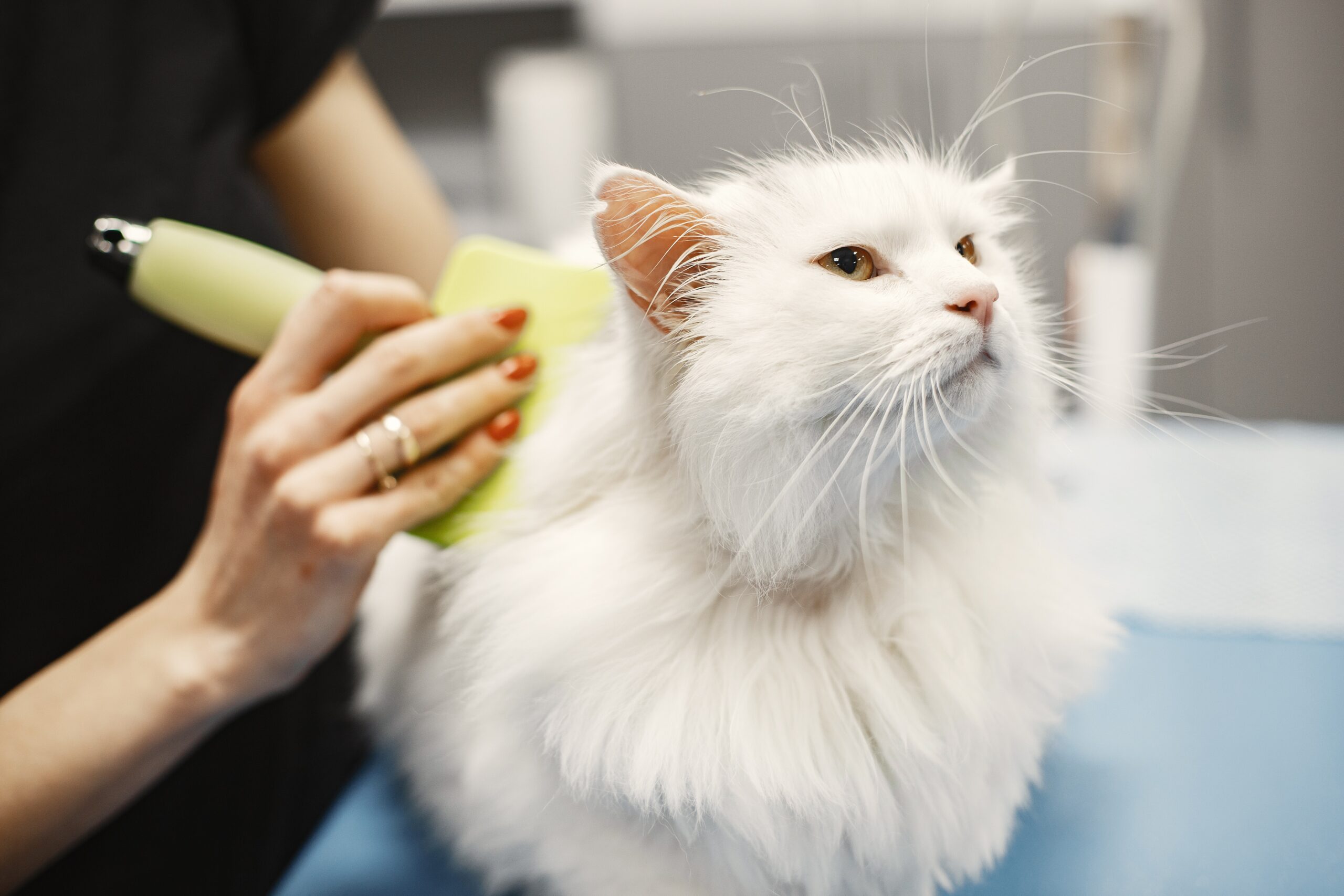
A professional grooming session for a medium-sized dog can cost between $70 and $150 depending on your location. Performing these tasks at home is a cornerstone of learning how to save money on pet care.
Essential Tool Kit
Investing $100 in high-quality grooming tools—specifically a stainless steel comb, a slicker brush, and professional-grade nail clippers—will pay for itself in just two months. Regular brushing prevents “matting,” which is the most common reason groomers charge “extra handling” fees.
The Health Connection
Grooming at home isn’t just about aesthetics; it’s a health check. As you brush, you can check for unusual lumps, skin irritations, or parasites. Catching a skin infection early through DIY grooming can save you an expensive trip to the dermatologist later. For step-by-step instructions, check our tutorial on stress-free home grooming.
4. Preventative Wellness: The Billion-Dollar Secret
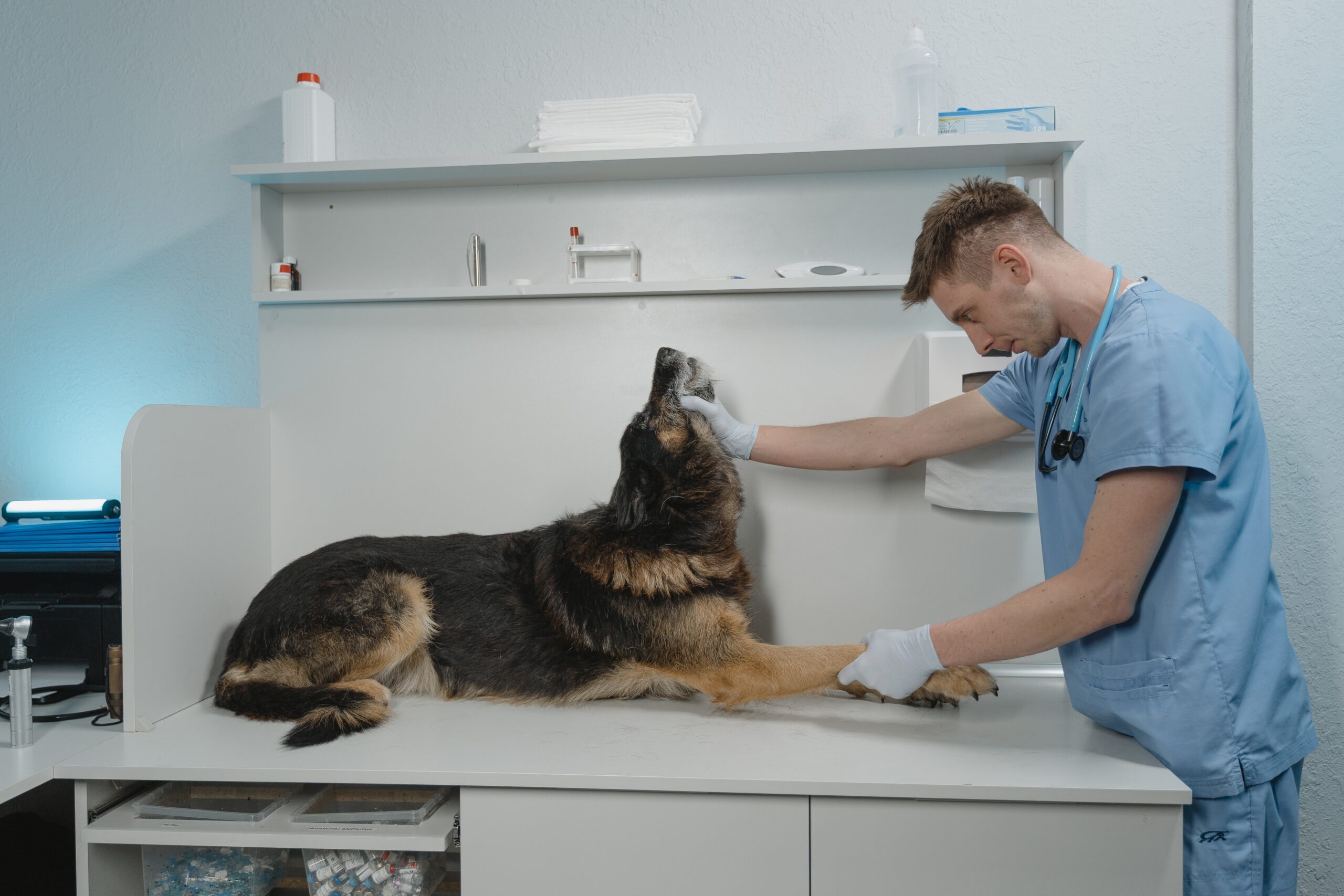
The most expensive vet visit is the one you didn’t see coming. Preventative care is the “insurance policy” of the pet world. According to the American Veterinary Medical Association (AVMA), every dollar spent on preventative care saves roughly $8 in emergency treatments down the road.
Vaccinations and Parasite Control
Missing a $50 heartworm preventative can lead to a $3,000 treatment for heartworm disease. Similarly, dental health is often overlooked. Brushing your pet’s teeth with pet-safe toothpaste twice a week can prevent periodontal disease, which is linked to heart and kidney failure in older animals.
Weight Management
Obesity is the leading cause of preventable illness in pets. An overweight pet is at a much higher risk for diabetes, arthritis, and ligament tears. By maintaining a strict feeding schedule and ensuring daily exercise, you eliminate the need for expensive chronic disease medications in your pet’s senior years.
5. Choosing Budget-Friendly Species and Breeds
If you are in the planning stages of pet ownership, consider the long-term “Cost of Living” for different animals. While a Great Dane is a majestic companion, their food and medication costs are exponentially higher than those of a small terrier.
- Low-Upkeep Mammals: Guinea pigs and hamsters offer companionship with a much smaller financial footprint regarding veterinary needs.
- Aquatic Life: While the initial tank setup has a cost, a well-balanced aquarium is relatively inexpensive to maintain compared to a mammal.
- Reptiles: Many reptiles, such as leopard geckos, have very low daily feeding costs, though they do require specific environmental controls.
Frequently Asked Questions
How can I find low-cost vet clinics?
Many non-profit organizations and shelters host “pop-up” clinics for vaccinations and microchipping. Additionally, check with local veterinary colleges, which often offer discounted services performed by supervised students.
Is generic pet food safe?
Generic isn’t always bad, but “budget” shouldn’t mean “poor quality.” Look for the AAFCO (Association of American Feed Control Officials) statement on the bag to ensure it meets basic nutritional standards. High-quality bulk food is usually a better investment than the cheapest available generic bag.
Can I use human shampoo on my pet to save money?
No. Human skin has a different pH level than pet skin. Using human shampoo can strip their natural oils and lead to infections, costing you more in vet bills than a bottle of $10 pet shampoo would have.