
As devoted pet parents, we are constantly seeking natural, effective ways to keep our furry companions healthy, active, and vibrant. For decades, traditional veterinary medicine heavily relied on reactive treatments—waiting for a dog or cat to get sick and then prescribing heavy antibiotics or harsh medications to eliminate the problem. However, one of the most significant breakthroughs in modern veterinary care is the shift toward proactive health, specifically understanding the powerful connection between a pet’s gut health and their overall immunity.
- The Science of the Gut-Immune Connection
- Top Health Benefits of Probiotics for Pets
- 1. Soothing Chronic Ear Infections
- 2. The Gut-Skin Axis: Resolving Mange and Dermatitis
- 3. Superior Digestive Regularity and Parasite Defense
- How to Choose the Right Probiotic Strains
- Conclusion
- Frequently Asked Questions (FAQ)
- Can I give my pet human probiotics, like yogurt?
- How long does it take for probiotics to work in pets?
- Are there any side effects of giving my pet probiotics?
- Can probiotics prevent genetically inherited conditions like mange?
- Should I give my pet probiotics while they are taking antibiotics?
- References
If you want to naturally protect your dog or cat from illness, understanding how to use probiotics for pets immune system support is absolutely essential. In my practice, I have always advocated for the use of probiotics, because animals rely on beneficial bacteria just as much as humans do.
In this comprehensive 2026 guide, we will explore exactly how these microscopic powerhouses can revolutionize your pet’s health. We will dive deep into the science of the pet microbiome, how probiotics combat persistent issues like chronic ear infections and severe mange, and how you can keep your pet’s natural defenses functioning at their absolute peak.
The Science of the Gut-Immune Connection
To understand why probiotics are so vital, we first have to look at how a pet’s body defends itself. The gastrointestinal (GI) tract is the foundational pillar of your pet’s health. Because the gut is the primary entry point for everything your pet consumes—including food, pathogens, toxins, and environmental bacteria—it has evolved to be the body’s ultimate security checkpoint.
In fact, the GI tract houses roughly 70% to 80% of a pet’s entire immune system.
The gut is home to billions of microorganisms, collectively known as the microbiome. In a healthy pet, there is a delicate balance between “good” bacteria and “bad” bacteria. When this balance is disrupted by stress, poor diet, or a round of prescription antibiotics, the bad bacteria can multiply out of control. This condition, known as dysbiosis, leaves your pet vulnerable to a host of illnesses.
Adding beneficial bacteria (probiotics) to a pet’s diet helps the digestive system actively combat intestinal parasites, yeast overgrowth, and harmful pathogens. More importantly, these good bacteria act as immune regulators. They stimulate the production of antibodies, strengthening the immune system to fight active infections quickly and aggressively. Simultaneously, probiotics help stop the immune system from over-reacting to harmless substances, which is the primary root cause of chronic inflammation, food sensitivities, and seasonal allergies.
Top Health Benefits of Probiotics for Pets
Veterinary professionals and pet owners who integrate high-quality probiotics into their daily routines regularly observe remarkable transformations. While probiotics are famously known for fixing diarrhea and upset stomachs, their benefits extend far beyond the litter box or the backyard. Here are the most common conditions where immune-supporting probiotics make a life-changing difference.
1. Soothing Chronic Ear Infections
Ear infections (otitis externa) are a persistent, painful, and incredibly frustrating issue for many dogs and cats. They often result in repeated trips to the vet, where pets are prescribed ear drops and oral antibiotics. While these medications kill the bacteria in the ear, they also wipe out the good bacteria in the gut, setting the stage for the infection to return a few weeks later.
Clinical experience has shown that whether a pet owner relies on conventional antibiotics or alternative therapies, adding a targeted probiotic product significantly shortens the length and reduces the severity of the ear infection.
The mechanism here is fascinating. Many ear infections are actually caused by an overgrowth of yeast, which blooms when the immune system is compromised. Supplements specifically formulated for immune support, such as Del-Immune V, have been noted by holistic veterinarians to produce substantially better outcomes. By addressing the immune system holistically and balancing the gut flora, pets are often able to overcome the infection naturally, breaking the cycle of repetitive and expensive secondary treatments.
2. The Gut-Skin Axis: Resolving Mange and Dermatitis
Skin issues are the number one reason pet parents visit the vet. What many don’t realize is that chronic itching, hot spots, and dermatitis are frequently an outward symptom of an internal immune imbalance. This connection is known in veterinary science as the “gut-skin axis.”
Probiotics have proven immensely helpful in accelerating the healing of severe skin conditions, including the notoriously difficult demodectic mange. Demodectic mange is caused by microscopic Demodex mites that naturally live in the hair follicles of almost all dogs. In a healthy dog, the immune system keeps these mites in check, and the dog never shows symptoms.
However, many animals have genetically inherited immune weaknesses, or suppressed immune systems due to stress or illness, that allow these naturally occurring mites to overgrow and cause severe irritation. You will know the mites are out of control if your pet develops bald patches, severe scabbing, and relentless itching.
Traditional treatments for severe mange often involve strong systemic antibiotics and bathing the dog in highly toxic chemical dips. However, clinical evidence suggests a better way. When provided with a high-quality, nutrient-rich diet and a powerful immune supporter like Del-Immune V, many dogs can fight off the mite overgrowth naturally. Probiotics help immensely by supporting the immune system in mounting an appropriate, targeted response to the mange mites. The body does the heavy lifting safely and effectively. *(Note: Most dogs survive and thrive with basic veterinary intervention, but if left entirely untreated, severe generalized mange can be fatal, so always consult your vet).*
3. Superior Digestive Regularity and Parasite Defense
Beyond targeted infections, daily probiotics create an incredibly inhospitable environment for intestinal parasites like giardia and worms. By rapidly populating the GI tract, probiotics physically crowd out harmful pathogens, preventing them from latching onto the intestinal walls.
Furthermore, beneficial bacteria produce short-chain fatty acids (SCFAs) during the fermentation process. These SCFAs lower the pH of the gut, making it highly acidic to harmful bacteria while providing essential energy to the cells lining the colon. The result is firmer, more consistent stools, significantly less gas, and enhanced nutrient absorption from your pet’s daily meals.
How to Choose the Right Probiotic Strains
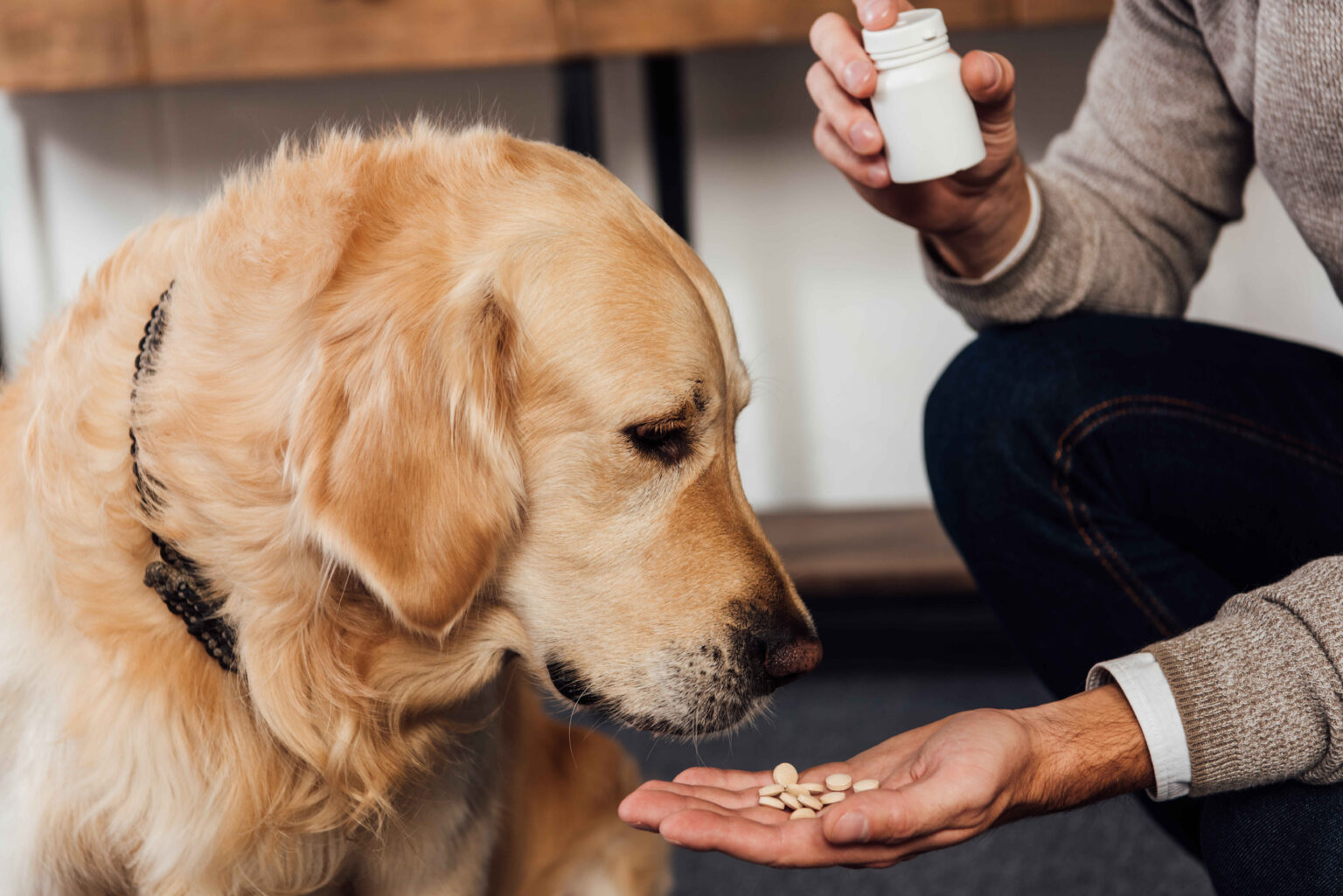
Walking down the supplement aisle at a pet store can be overwhelming. It is important to remember that not all probiotics are created equal, and human probiotics are generally not ideal for pets. When selecting a supplement to boost your pet’s immune system, look for products that explicitly list the following key strains:
- Enterococcus faecium: This is one of the most robust strains for dogs and cats. It is excellent at surviving the highly acidic environment of a pet’s stomach to reach the intestines where it is needed most.
- Lactobacillus acidophilus: A powerhouse for the immune system, this strain is heavily researched for its ability to improve stool quality and boost immune responses in canines.
- Bifidobacterium animalis: Known for its exceptional ability to reduce gastrointestinal distress and speed up recovery times after a course of antibiotics.
- Bacillus coagulans: A spore-forming probiotic that is highly stable and excellent for reducing inflammation in the gut.
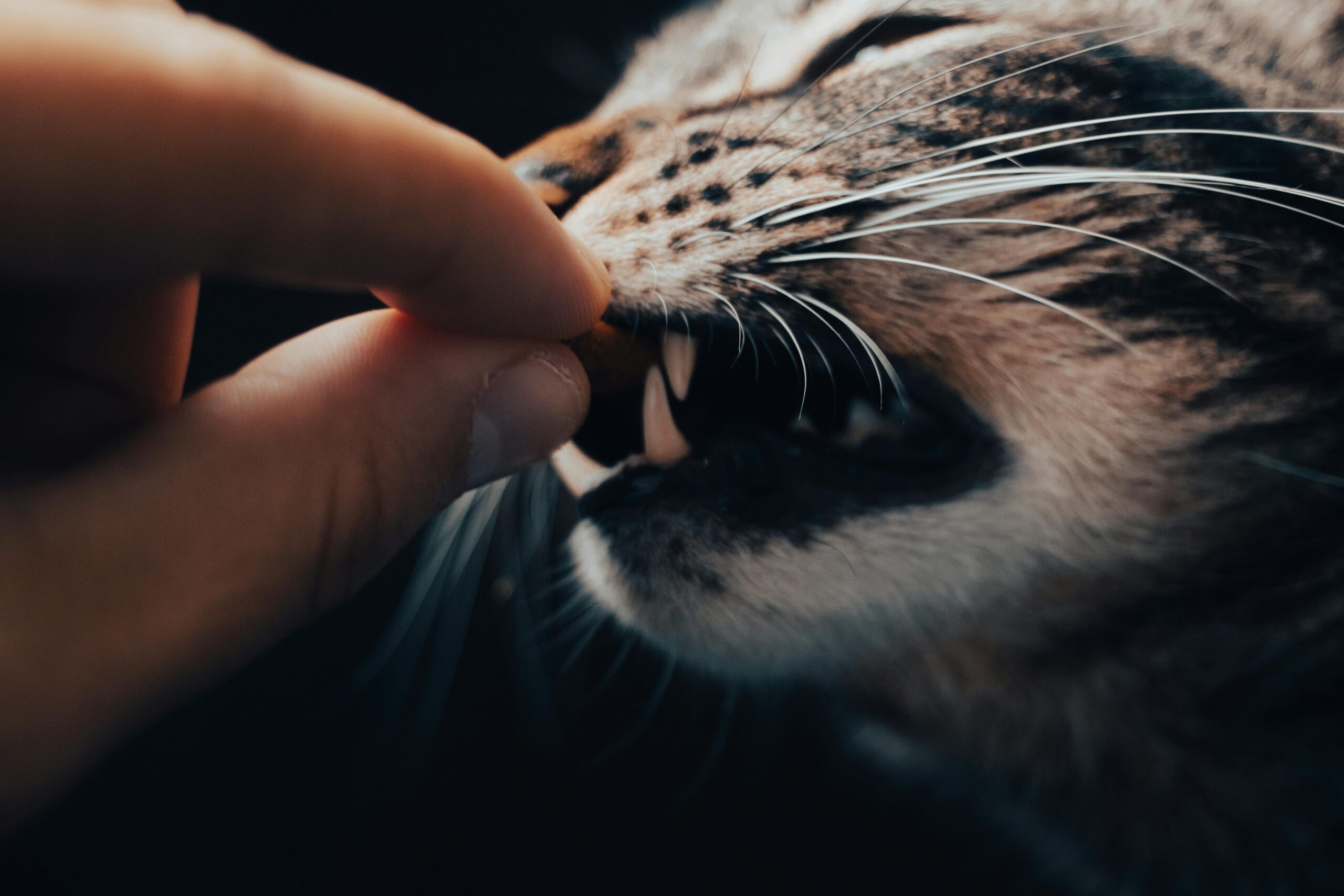
Additionally, look for a supplement that contains prebiotics (such as inulin, chicory root, or fructooligosaccharides). Prebiotics act as the “food” for the probiotics, ensuring the beneficial bacteria thrive and multiply once they reach your pet’s gut.
Conclusion
The health of your pet’s gut is inextricably linked to the strength of their immune system. From soothing inflamed, itchy skin and clearing up stubborn ear infections to ensuring optimal daily digestion, the power of a balanced microbiome cannot be overstated. By utilizing high-quality probiotics for pets immune system support, you are moving away from reactive medicine and embracing proactive wellness. You are giving your furry best friend the internal tools they need to heal naturally, fight off pathogens, and live a long, comfortable, and joyful life by your side.
Frequently Asked Questions (FAQ)
Can I give my pet human probiotics, like yogurt?
While some human probiotics, such as plain, unsweetened Greek yogurt, are not toxic to pets, they are generally not recommended as a primary supplement. Dogs and cats have very different stomach acid levels and specific bacterial strains naturally present in their GI tracts compared to humans. Furthermore, many pets are lactose intolerant. It is always best to use a specialized probiotic powder or chew formulated specifically for pets to ensure the bacteria survive and colonize properly.
How long does it take for probiotics to work in pets?
The timeline depends heavily on the condition being treated. For acute digestive issues, such as mild diarrhea caused by stress or a sudden diet change, you may see improvement within 1 to 3 days. However, for systemic immune issues, chronic yeast-based ear infections, or severe skin conditions like demodectic mange, it typically takes 4 to 6 weeks of consistent, daily use to see significant, lasting changes in your pet’s health. Consistency is key.
Are there any side effects of giving my pet probiotics?
Probiotics are overwhelmingly safe, natural, and highly beneficial. However, occasionally, when first introducing probiotics into a pet’s diet, they might experience mild gas, slight bloating, or loose stools. This is completely normal; it is simply a sign that their gut flora is shifting, and the good bacteria are pushing out the bad. These symptoms are usually temporary and resolve on their own within a few days.
Can probiotics prevent genetically inherited conditions like mange?
While probiotics cannot alter your pet’s fundamental DNA or genetics, they can absolutely fortify a genetically weakened immune system. Demodex mites live on almost all dogs, but only cause problems when the immune system fails. By keeping the immune system robust, responsive, and balanced, daily probiotics can help prevent the overgrowth of these mites from ever reaching a severe, symptomatic stage.
Should I give my pet probiotics while they are taking antibiotics?
Yes, but timing is crucial! Antibiotics are indiscriminate killers; they wipe out the bad bacteria causing the illness, but they also destroy the beneficial bacteria in your pet’s gut. To prevent severe GI upset during treatment, you should give your pet probiotics, but space them out. Administer the probiotic at least 2 to 3 hours after giving the antibiotic dose so the medication doesn’t immediately destroy the beneficial bacteria.
References
- VCA Animal Hospitals. Probiotics for Dogs and Cats. https://vcahospitals.com/know-your-pet/probiotics-for-dogs
- PetMD. Probiotics for Dogs: What You Need to Know. https://www.petmd.com/dog/general-health/probiotics-dogs-what-you-need-know
- American Veterinary Medical Association (AVMA). The importance of the microbiome in veterinary medicine. https://www.avma.org/
- VCA Animal Hospitals. Mange (Demodectic) in Dogs. https://vcahospitals.com/know-your-pet/mange-demodectic-in-dogs
Image Credits: Images sourced via standard Pexels license. Representative imagery used for illustrative purposes.