

As devoted pet parents, we are constantly seeking natural, effective ways to keep our feline companions healthy, active, and vibrant. For decades, traditional veterinary medicine heavily relied on reactive treatments, waiting for a cat to get sick and then prescribing heavy medications to eliminate the problem. However, one of the most significant breakthroughs in modern feline veterinary care is the shift toward proactive health, specifically understanding the incredibly powerful connection between a cat’s gut health and their overall immunity.
- What Are Probiotics for Cats?
- How Do Probiotics Help Cats? (When They Work vs. When They Don’t)
- 7 Amazing Benefits of Probiotics for Cats
- Signs Your Cat May Need Probiotics
- Probiotics vs Prebiotics for Cats
- Best Probiotic Strains for Cats Explained
- Are There Side Effects of Probiotics for Cats?
- How Long Do Probiotics Take to Work in Cats?
- Conclusion
- Frequently Asked Questions (FAQ)
- Do cats need probiotics every day?
- Can kittens take probiotics?
- Should I give probiotics for cats after antibiotics?
- Can I give my cat human probiotics like yogurt?
- When should cats take probiotics during the day?
- References & Further Reading
If your cat frequently suffers from loose stools, excessive gas, or a dull coat, you might be asking yourself: are probiotics good for cats? The answer is a resounding yes. Animals rely on beneficial bacteria just as much as humans do. Understanding how to use cat probiotics for digestive health is absolutely essential for naturally protecting your pet from illness and gastrointestinal distress.
In this comprehensive guide, we will explore exactly what are probiotics for cats and how these microscopic powerhouses can revolutionize your pet’s health. We will dive deep into the science of the feline microbiome, explain the incredible benefits of probiotics for cats, and detail exactly when you should integrate these supplements into your kitty’s daily routine.
What Are Probiotics for Cats?
To understand why these supplements are so vital, we first have to look at how a cat’s body defends itself. The gastrointestinal (GI) tract is the foundational pillar of your cat’s health. Because the gut is the primary entry point for everything your cat consumes—including food, pathogens, and environmental bacteria—it has evolved to be the body’s ultimate security checkpoint.
The feline gut is home to billions of living microorganisms, collectively known as the microbiome. In a healthy cat, there is a delicate, harmonious balance between “good” bacteria and “bad” bacteria. Probiotics for cats are concentrated doses of these live, beneficial bacteria. When administered orally (usually as a powder or a tasty chew), they travel directly to the intestines to colonize the gut, crowd out the harmful pathogens, and restore optimal digestive balance.
How Do Probiotics Help Cats? (When They Work vs. When They Don’t)
When asking how probiotics help cats, it is important to manage expectations. While they are powerful, they are not a magical cure-all for every feline ailment. Understanding when to use them is key to seeing actual results.
When Probiotics Excel
Adding beneficial bacteria to a cat’s diet helps the digestive system actively combat mild yeast overgrowth and stress-induced inflammation. They are incredibly effective at resolving acute diarrhea caused by moving to a new house, traveling, or switching to a new sensitive stomach cat food. Furthermore, these good bacteria act as immune regulators, helping to stop the feline immune system from over-reacting to harmless substances, which is the primary root cause of food sensitivities.
When Probiotics Alone Won’t Help
If your cat is suffering from severe, bloody diarrhea, lethargy, or vomiting, a probiotic alone will not fix the issue. Probiotics cannot cure severe intestinal parasites (like tapeworms or roundworms), which require prescription chemical dewormers. They also cannot resolve complete physical bowel blockages or systemic organ failure. In these severe cases, veterinary intervention is non-negotiable.
7 Amazing Benefits of Probiotics for Cats
Veterinary professionals and pet owners who integrate high-quality cat gut health supplements into their daily routines regularly observe remarkable transformations. Here are the top health benefits of maintaining a balanced feline microbiome.
- Stopping Diarrhea Rapidly: Using probiotics for cats with diarrhea is perhaps their most famous application. They quickly firm up loose stools caused by environmental stress, boarding, or sudden dietary indiscretions.
- Restoring Health After Medication: Using probiotics for cats after antibiotics is absolutely essential. Antibiotics are indiscriminate killers; they wipe out the bad bacteria causing an infection, but they also destroy the good bacteria in the gut. Probiotics rebuild this vital flora.
- Fortifying the Immune System: According to extensive research summarized by the experts at the Cornell Feline Health Center, roughly 70 percent of a cat’s entire immune system physically resides in their gastrointestinal tract. A healthy gut directly equals a strong, resilient cat.
- Reducing Flatulence and Gas: A bacterial imbalance allows food to ferment excessively in the colon, leading to foul-smelling gas. Probiotics optimize digestion, eliminating the root cause of the odor.
- Supporting the Gut-Skin Axis: Chronic itching, hot spots, and feline dermatitis are frequently outward symptoms of an internal immune imbalance. Probiotics help reduce systemic inflammation, resulting in a shinier, healthier coat.
- Improving Nutrient Absorption: Even if you buy the best food on the market, a damaged gut cannot absorb the vitamins. Probiotics ensure your cat actually utilizes the nutrients in their premium meals.
- Aiding Senior Cats: As felines age, their digestive efficiency naturally slows down. Probiotics help older cats maintain bowel regularity and combat age-related immune decline.
Signs Your Cat May Need Probiotics
How do you know when should cats take probiotics? Your cat’s litter box and daily behavior provide all the clues you need. You should highly consider introducing a supplement if you notice any of the following signs your cat may need probiotics:
- Frequent, unexplained loose stools or diarrhea.
- Foul-smelling, excessive gas (flatulence).
- A sudden dull, flaky, or excessively shedding coat.
- Recurrent ear infections or yeasty skin irritations.
- A recent course of prescription antibiotics or steroids.
- An upcoming stressful event, such as a move, a vet visit, or bringing a new pet into the home.
Probiotics vs Prebiotics for Cats

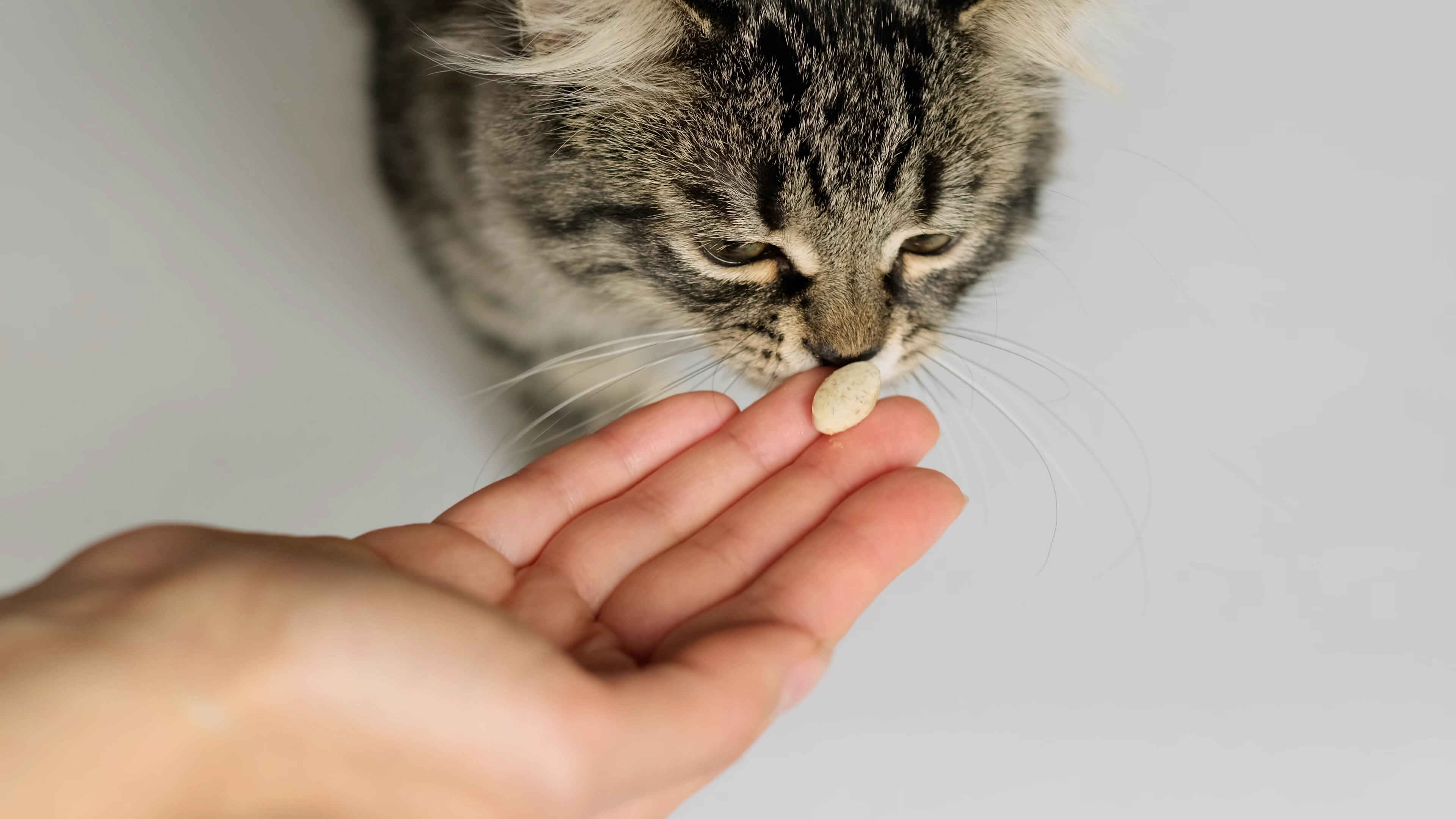
When shopping for supplements, you will often see both terms used on the packaging. Understanding the difference between prebiotics vs probiotics for cats ensures you buy an effective product.
As we know, probiotics are the actual live, beneficial bacteria. Prebiotics, on the other hand, are the specific types of soluble fiber (like chicory root, inulin, or fructooligosaccharides) that act as the “food” for the probiotics. Prebiotics ensure that the beneficial bacteria have the fuel they need to thrive, multiply, and successfully colonize once they reach your cat’s lower intestines. The most effective commercial supplements, often called synbiotics, combine both prebiotics and probiotics in one formula.
Best Probiotic Strains for Cats Explained
Walking down the supplement aisle at a pet store can be overwhelming. It is important to remember that not all bacteria are created equal. When selecting the best probiotic strains for cats, look for products that explicitly list the following scientifically backed species on their ingredient panel:
| Probiotic Strain | Primary Feline Health Benefit |
|---|---|
| Enterococcus faecium | Incredibly robust; survives harsh stomach acid to rapidly cure acute, stress-induced diarrhea. |
| Bifidobacterium bifidum | Excellent for breaking down complex carbohydrates and fighting off intestinal yeast overgrowths. |
| Lactobacillus acidophilus | A powerhouse for improving nutrient absorption and overall feline immune system responses. |
| Saccharomyces boulardii | A beneficial yeast (not bacteria) that is highly effective at preventing diarrhea during antibiotic usage. |
Are There Side Effects of Probiotics for Cats?
If you are still wondering, do cats need probiotics, you can rest assured that they are overwhelmingly safe, natural, and highly beneficial. However, there are a few very mild side effects of probiotics for cats to be aware of.
Occasionally, when first introducing these active bacteria into a cat’s diet, they might experience slight, temporary bloating, mild gas, or a day of softer stools. This is completely normal; it is simply a biological sign that their gut flora is actively shifting, and the good bacteria are currently engaged in a battle to push out the bad bacteria. These symptoms usually resolve entirely on their own within 48 to 72 hours. To minimize this, always start with half the recommended dose for the first few days.
How Long Do Probiotics Take to Work in Cats?
The timeline for results depends heavily on the specific condition you are trying to treat. If you want to know how long do probiotics take to work in cats, here is a general veterinary guideline:
- For Acute Diarrhea: If the upset stomach was caused by boarding or a sudden diet change, you will often see firmer stools within 1 to 3 days of administering a high-quality powder.
- For Post-Antibiotic Recovery: You should use the supplement for at least 2 to 4 weeks after the antibiotic prescription finishes to ensure the gut microbiome is completely repopulated.
- For Immune and Skin Health: Systemic issues take longer. For a dull coat, chronic yeast, or inflammatory allergies, it typically takes 4 to 6 weeks of consistent, daily use to see significant, lasting visual changes.
🚨 When to Talk to Your Vet Before Using Probiotics
While probiotics are fantastic preventative tools, they are not emergency medicine. As detailed in the comprehensive guidelines provided by the American Veterinary Medical Association (AVMA), you should immediately bypass supplements and take your cat directly to the clinic if their diarrhea is profuse, contains bright red blood, or is accompanied by severe vomiting, profound lethargy, or a complete refusal to drink water.
Conclusion
The health of your cat’s gastrointestinal tract is inextricably linked to the strength of their immune system and their overall vitality. From soothing inflamed, itchy skin and clearing up stubborn digestive upset to ensuring optimal daily nutrient absorption, the incredible power of a balanced microbiome simply cannot be overstated. By utilizing high-quality probiotics for cats, you are moving away from reactive medicine and actively embracing proactive wellness. You are giving your feline best friend the internal tools they need to heal naturally, fight off dangerous pathogens, and live a long, comfortable, and deeply joyful life by your side.
Frequently Asked Questions (FAQ)
Do cats need probiotics every day?
Not every healthy cat requires a daily probiotic, but they are incredibly beneficial as a daily preventative, especially for senior cats or felines with a known history of sensitive stomachs. They are most critical during times of environmental stress, dietary transitions, or illness.
Can kittens take probiotics?
Yes, kittens can absolutely take probiotics. In fact, they are frequently recommended by veterinarians to help resolve the common weaning diarrhea that occurs when kittens transition from their mother’s milk to solid commercial food. Always use a kitten-safe formula and dose according to their weight.
Should I give probiotics for cats after antibiotics?
Yes, it is highly recommended. Antibiotics destroy both the harmful bacteria causing the infection and the beneficial bacteria in the gut. Giving probiotics replenishes this lost flora. However, you must administer the probiotic at least two hours after the antibiotic dose so the medication doesn’t instantly destroy the supplement.
Can I give my cat human probiotics like yogurt?
While a tiny lick of plain, unsweetened yogurt is usually not toxic, human probiotics are generally not effective for felines. Cats have entirely different stomach acid pH levels and require specific feline-derived bacterial strains to colonize their guts. Furthermore, many adult cats are lactose intolerant, making dairy-based human yogurt a poor choice.
When should cats take probiotics during the day?
The best time to administer a probiotic powder or chew is usually right alongside their normal daily meal. Mixing it into a small portion of aromatic wet food ensures they consume the entire dose happily, and the food helps buffer the live bacteria against harsh stomach acids as it travels to the intestines.
References & Further Reading
- Cornell Feline Health Center: Comprehensive information on feline digestive health and the immune system.
- American Veterinary Medical Association (AVMA): Guidelines for pet owners on recognizing and managing veterinary emergencies.
- PetMD: Veterinary-reviewed insights into the benefits of the feline microbiome and targeted nutritional supplements.