

When you notice your pet scratching relentlessly at a discolored patch of skin, determining the exact cause is critical. A fungal dog rash requires a completely different treatment approach than a standard bacterial infection or a seasonal allergy.
- What Does a Fungal Dog Rash Look Like?
- Common Visual Signs of a Fungal Rash
- Common Areas Where Fungal Rashes Appear
- Signs of Yeast vs Ringworm
- Fungal Rash vs Bacterial Rash
- Fungal Rash vs Dermatitis
- Diagnostic Rash Comparison Table
- What Causes Fungal Skin Infections in Dogs?
- Yeast Overgrowth
- Ringworm Exposure
- Moist Skin Folds and Poor Drying
- Underlying Allergies / Immune Issues
- How Fungal Dog Rashes Are Treated
- Antifungal Shampoos
- Need immediate relief for a widespread rash?
- Antifungal Creams and Sprays
- Oral Antifungal Medications
- Treating Underlying Triggers
- Home Care Tips for Dogs With Fungal Skin Infections
- Keep Skin Clean and Dry
- Wash Bedding and Grooming Tools
- Prevent Excess Licking
- Monitor for Spreading Lesions
- When to See a Vet for a Suspected Fungal Rash
- Frequently Asked Questions (FAQ)
Fungal dermatitis is a highly common condition that thrives in warm, moist environments across your pet’s body. It often presents with very distinct visual and olfactory clues, such as a strong musty odor or highly localized greasy skin.
Understanding exactly what a fungal skin infection looks like is the absolute first step toward finding relief for your companion. This guide will help you diagnose whether the irritation might be fungal, how to differentiate it from other common skin issues, and what safe, vet-approved treatments actually work.
What Does a Fungal Dog Rash Look Like?
Identifying a fungal rash relies heavily on observing the specific texture and smell of the affected area. Unlike dry, pink allergic reactions, fungal issues drastically alter the skin’s surface and dermal layers.
Common Visual Signs of a Fungal Rash

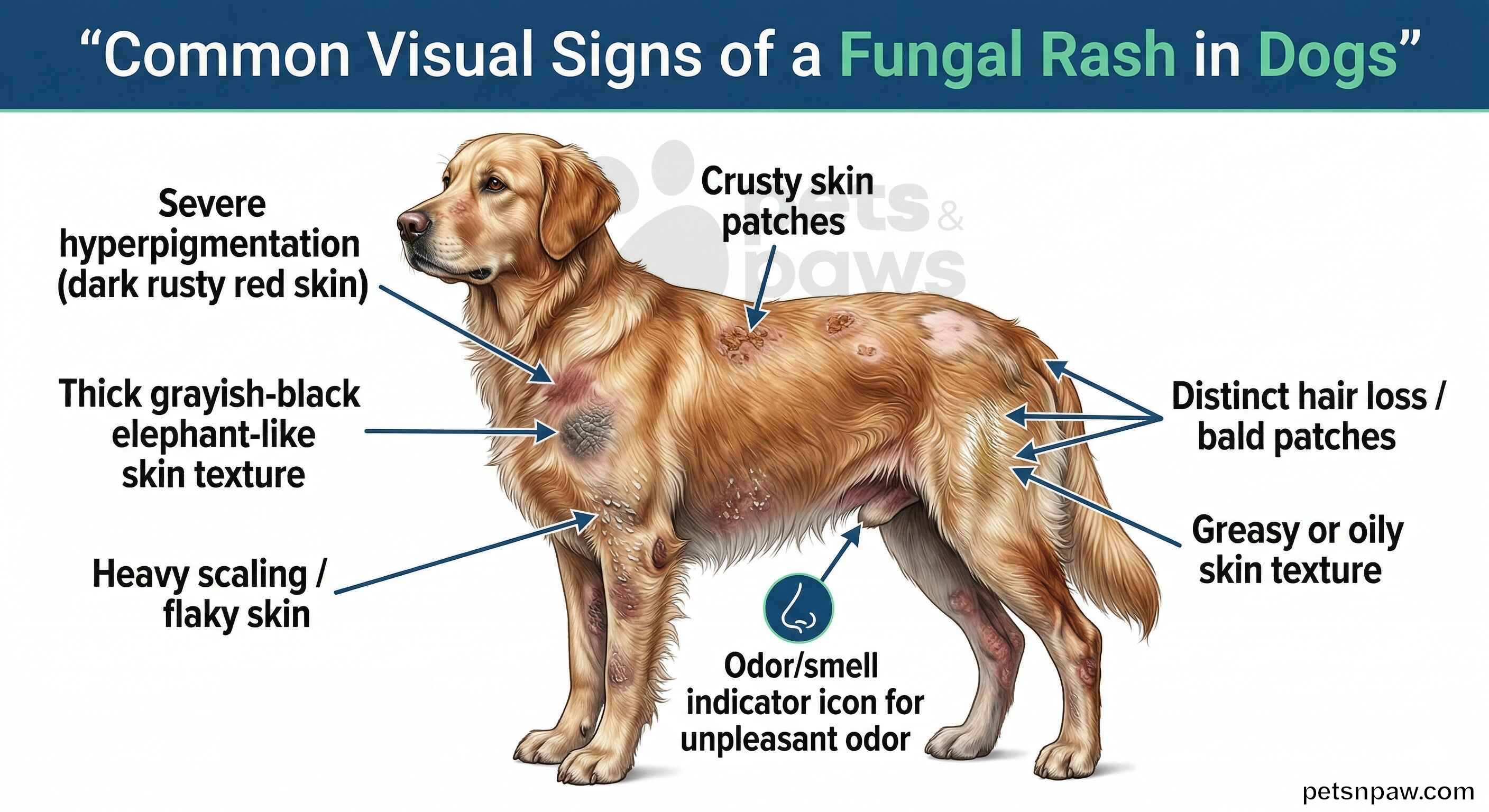
If you are wondering what does a fungal dog rash look like, the most prominent visual sign is severe hyperpigmentation. The infected skin often turns a dark, rusty red or even a thick, elephant-like grayish-black.
You will frequently observe severe skin scaling, crusty skin, and distinct hair loss patches. The affected area typically feels greasy to the touch and exudes a highly noticeable, unpleasant odor.
Common Areas Where Fungal Rashes Appear
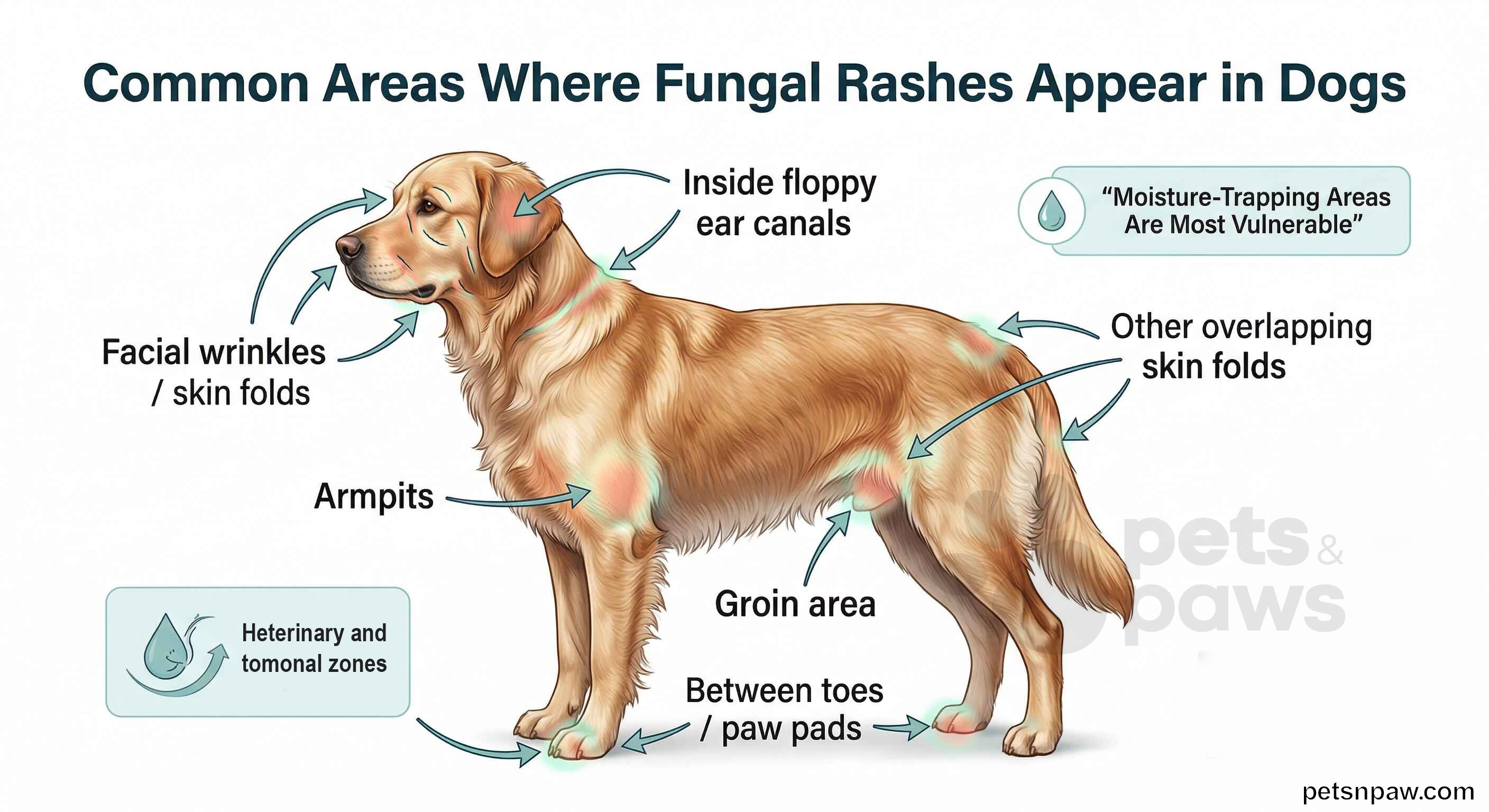
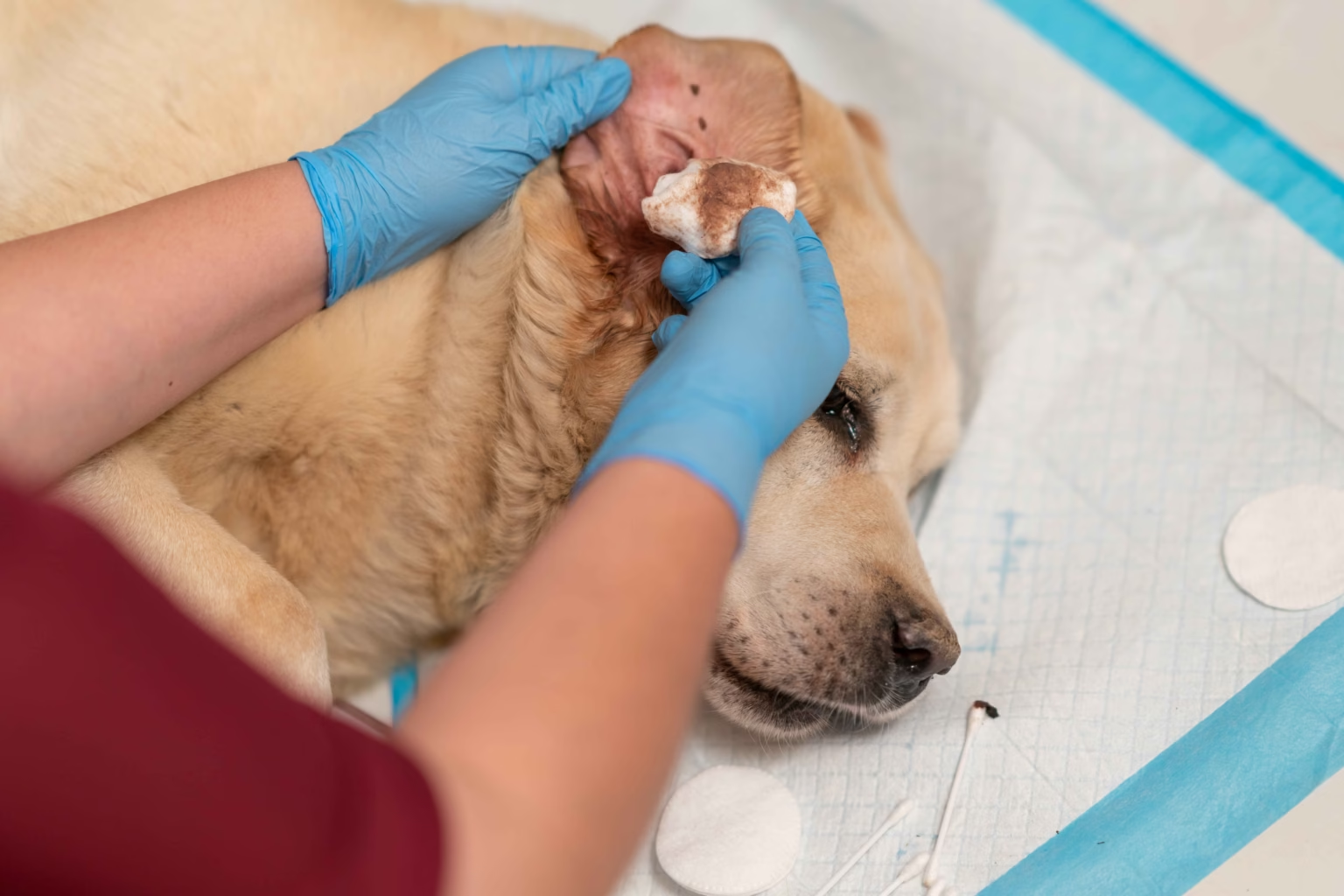
Fungus and yeast thrive wherever moisture is permanently trapped against the body. Consequently, a dog fungal skin infection is most commonly found inside floppy ear canals and deep within facial wrinkles.
You will also frequently spot these rashes in the armpits, the groin area, and directly between the toes on the paw pads. Dogs with heavy, overlapping skin folds, like Bulldogs and Basset Hounds, are particularly susceptible.
Signs of Yeast vs Ringworm
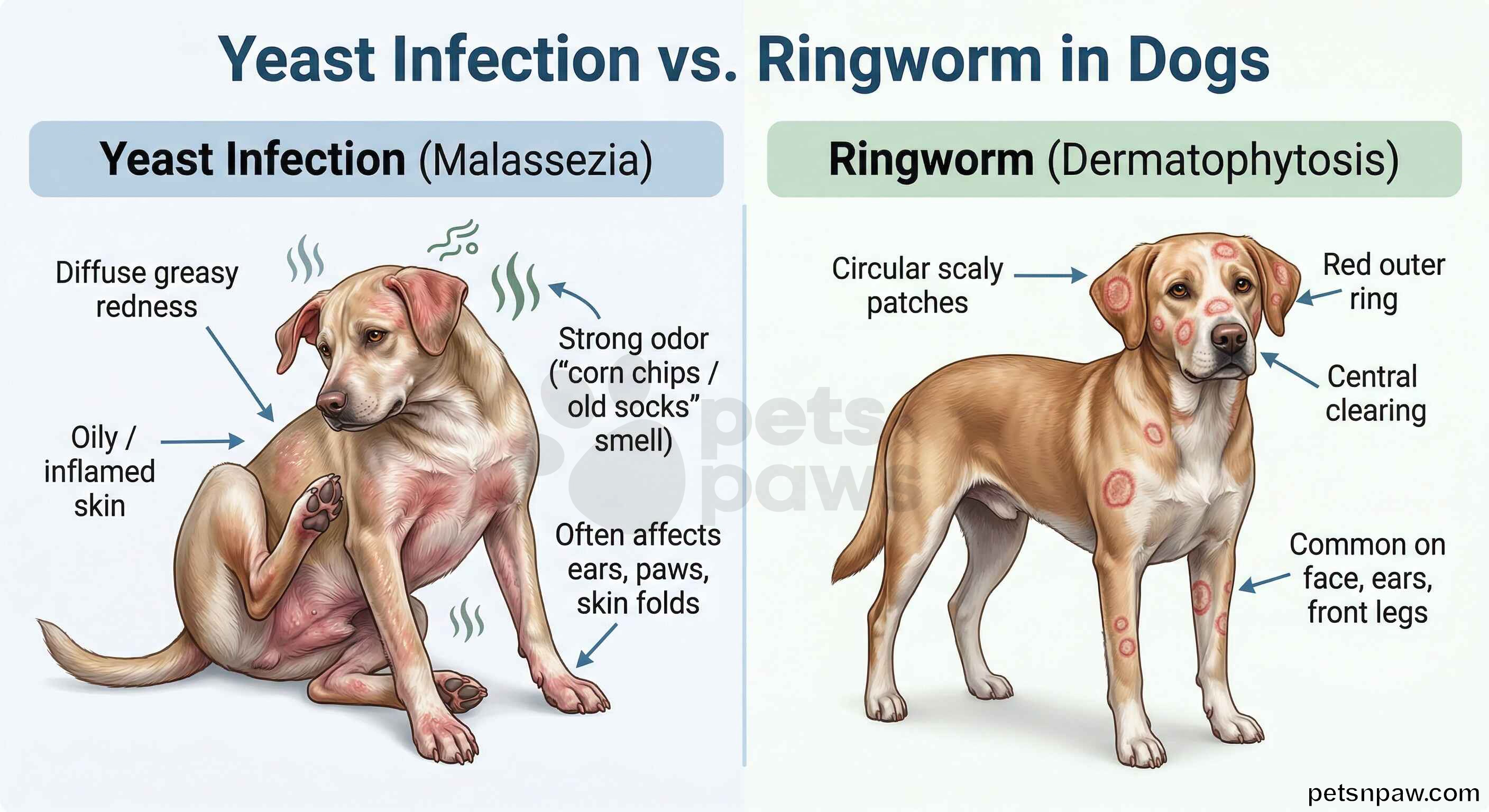
It is incredibly important to know that not all fungal infections look the same. A yeast infection in dogs (Malassezia) typically causes diffuse, greasy redness and a smell remarkably similar to corn chips or old socks.
Conversely, dermatophytosis (commonly known as ringworm) presents entirely differently on the canine body. Ringworm creates highly distinct, scaly circular lesions with red outer rings and central clearing, usually located on the face, ears, or front legs.
Fungal Rash vs Bacterial Rash
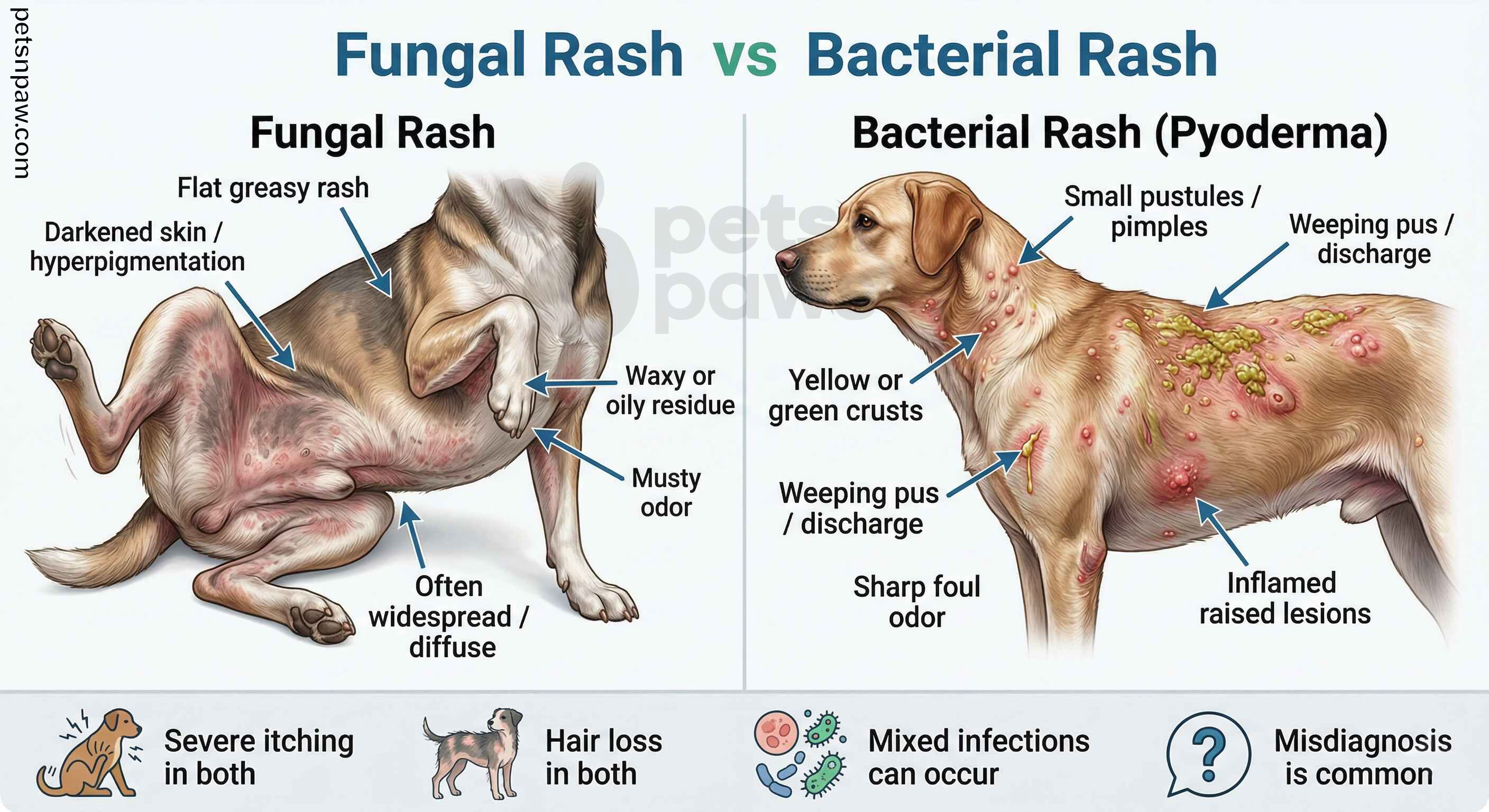
Misdiagnosing the root cause can lead to prolonged discomfort for your pet. Applying the wrong medication to a bacterial skin infection will not provide any relief whatsoever.
Key Differences in Appearance
Bacterial infections, medically termed pyoderma, typically present with small, pimple-like pustules and yellow or green crusting. Conversely, a fungal dermatitis presentation is usually flatter, noticeably greasier, and involves widespread darkening of the skin.
Odor, Texture, and Discharge Differences
A bacterial infection often possesses a sharp, foul, or slightly metallic odor, heavily accompanied by weeping pus. A fungal rash smells distinctly musty and leaves a waxy, greasy residue on your fingers if you touch it.
Why Misdiagnosis Is Common
It is very easy to confuse hot spots vs fungal rash symptoms because both cause severe, agonizing itching and rapid hair loss. Furthermore, dogs frequently suffer from combined infections, where an initial fungal overgrowth damages the skin enough to allow secondary bacteria to enter.
Fungal Rash vs Dermatitis
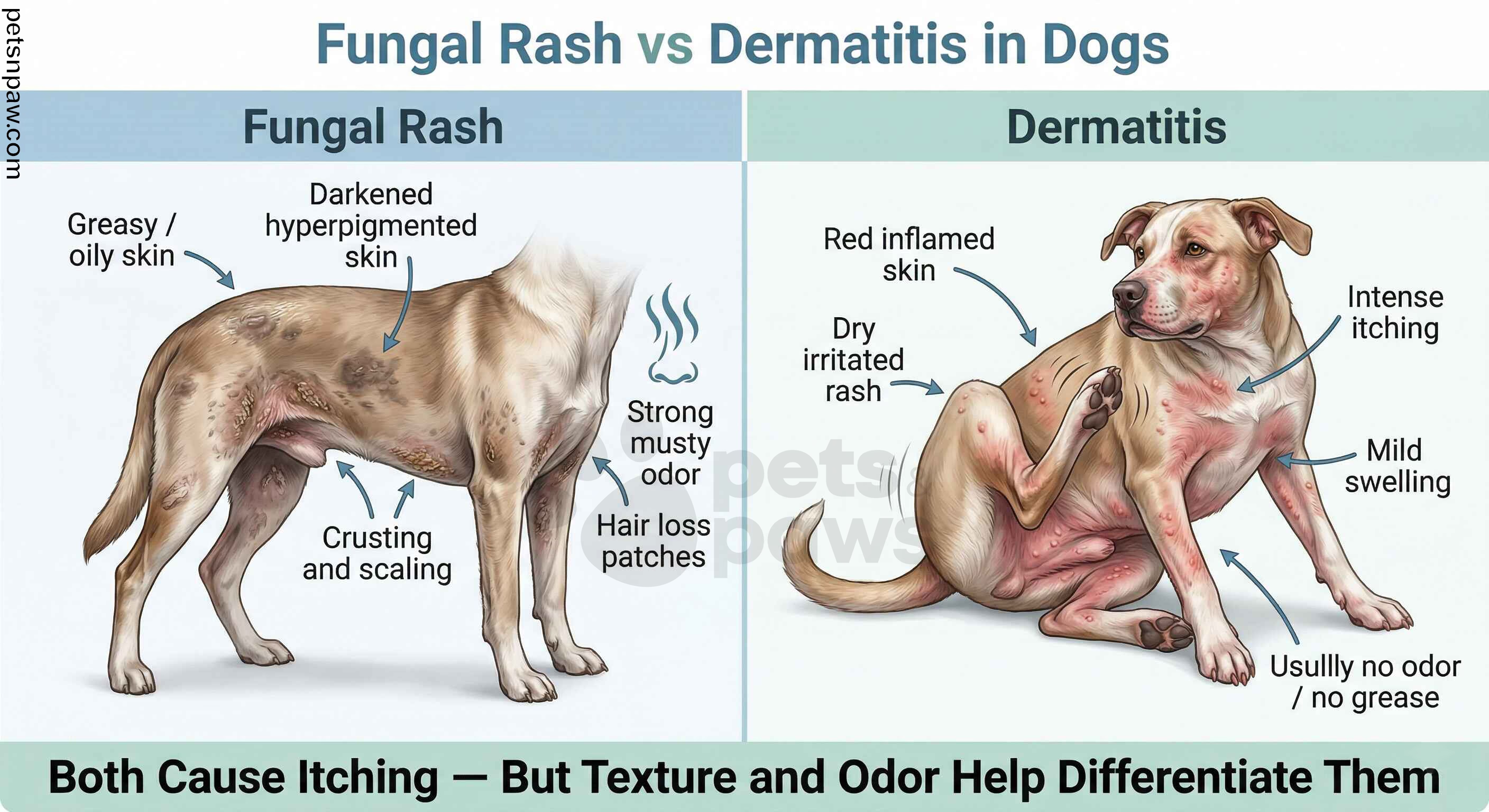
General skin inflammation (dermatitis) is usually the precursor to a fungal infection. Understanding the difference is vital for executing an effective dog rash treatment plan.
How Allergic Rashes Usually Look
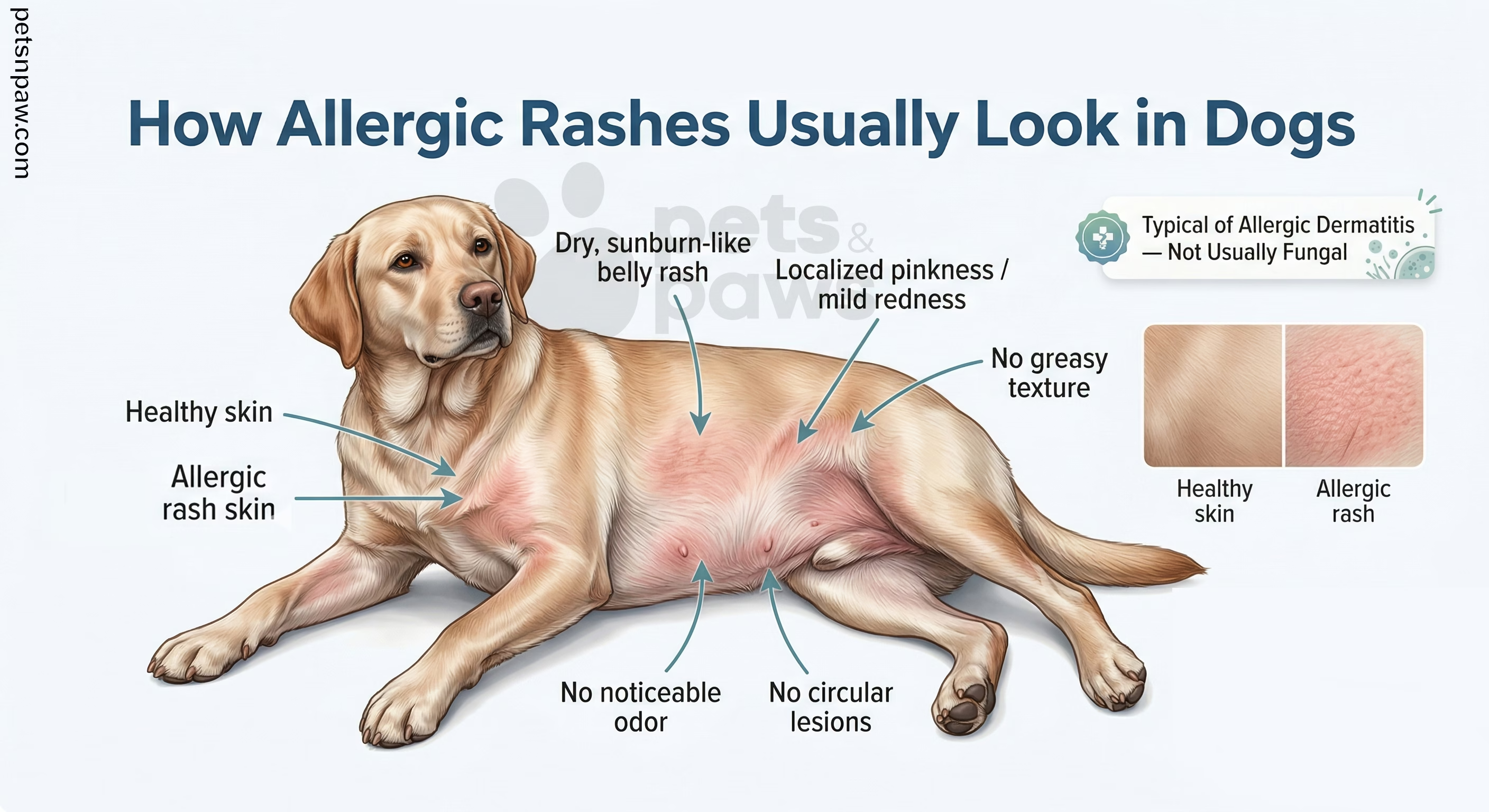
A simple allergic rash typically looks like a dry, sunburned belly with localized pinkness. There is usually no odor, no greasy texture, and no distinct circular lesions present on the body.
When Dermatitis Mimics Fungus
Chronic scratching from allergies aggressively damages the skin’s protective barrier over time. This localized damage creates microscopic pockets of severe inflammation that can closely mimic the scaly appearance of a yeast infection.
When Testing Is Needed
Because visual diagnosis is not foolproof, a veterinarian may need to perform a clinical skin cytology. By taking a simple swab or tape impression of the skin and viewing it under a microscope, the vet can definitively confirm the presence of yeast spores.
Diagnostic Rash Comparison Table
Use this quick clinical reference guide to help differentiate the most common canine skin conditions at a glance.
| Condition | Appearance | Smell | Common Location | Typical Treatment |
|---|---|---|---|---|
| Yeast Rash | Red, greasy, thickened skin | Musty (like corn chips) | Skin folds, paws, ears | Antifungal topicals |
| Ringworm | Circular patches, hair loss | Minimal to none | Face, legs | Prescription antifungals |
| Bacterial Rash | Pustules, yellow crusts | Foul or metallic | Anywhere on the body | Oral/Topical Antibiotics |
| Allergy Dermatitis | Diffuse, dry redness | Usually none | Belly, inner thighs, paws | Allergy control, antihistamines |
What Causes Fungal Skin Infections in Dogs?
Fungal spores are naturally present on your dog’s body at all times. An active fungal rash on dog skin only occurs when the local environment allows these microscopic spores to multiply out of control.
Yeast Overgrowth
The Malassezia yeast species naturally lives on canine skin in small, entirely harmless numbers. However, when the skin’s pH balance is heavily disrupted by illness or moisture, this yeast rapidly overpopulates, creating a severe yeast rash on dogs.
Ringworm Exposure
Unlike natural yeast, ringworm is a highly contagious external fungus that invades the skin. Dogs usually contract dermatophytosis by physically touching contaminated soil, interacting with an infected animal, or sharing unwashed bedding.
Moist Skin Folds and Poor Drying
Fungus requires intense, continuous moisture to survive and thrive. Dogs that swim frequently or receive baths without being thoroughly towel-dried are highly susceptible to these infections.
Underlying Allergies / Immune Issues
A robust immune system naturally keeps fungal spores in check. According to veterinary dermatology guidelines from the AVMA, dogs with underlying food or environmental allergies are significantly more prone to recurrent fungal skin infections due to a constantly suppressed dermal barrier.
How Fungal Dog Rashes Are Treated
Curing a fungal infection requires immense patience and consistency. Because fungal spores are deeply embedded in the skin layers, treatment must be thoroughly and repeatedly applied.
Antifungal Shampoos
For a widespread yeast infection, bathing the dog with a targeted antifungal shampoo is the clinical standard of care. You must look for active ingredients like chlorhexidine, ketoconazole, or miconazole, and allow the thick lather to sit on the skin for at least 10 minutes before rinsing.
Need immediate relief for a widespread rash?
For diffuse fungal skin issues, medicated shampoos are often the easiest and most effective first step. See our top veterinary-approved picks for the best dog rash shampoos.
Antifungal Creams and Sprays
If the fungal issue is isolated to a tiny area, such as a single paw pad or a belly fold, a localized topical ointment is highly effective. You can safely utilize a specialized dog rash cream containing miconazole to clear these small patches quickly.
Oral Antifungal Medications
For severe, chronic, or highly resistant fungal dermatitis, topical treatments alone may fail. Your veterinarian will need to prescribe systemic oral antifungal medications to completely eradicate the spores from the inside out.
Treating Underlying Triggers
If you only treat the fungus but completely ignore the underlying allergy that compromised the skin, the yeast will immediately return. Long-term management requires identifying and eliminating the core environmental or dietary allergen permanently.
Home Care Tips for Dogs With Fungal Skin Infections
Supportive home care is just as important as prescription medication when dealing with a stubborn fungal issue.
Keep Skin Clean and Dry
You must meticulously dry your dog after every single bath or walk in the rain. Pay special attention to wiping down the spaces between their toes and inside any deep facial wrinkles with a clean, dry towel.
Wash Bedding and Grooming Tools
Fungal spores can survive for months on soft fabrics and grooming brushes. You must wash all dog beds, blankets, and grooming tools in extremely hot water to prevent constant reinfection.
Prevent Excess Licking
A dog’s saliva adds unwanted, continuous moisture directly to the affected area, fueling the fungal growth. Utilizing a recovery cone is mandatory to stop them from licking the topical medications off.
Monitor for Spreading Lesions
Check the skin daily for any rapid changes. If the circular lesions multiply or the greasy texture spreads to new areas of the body, your current treatment plan is failing and requires immediate veterinary adjustment.
When to See a Vet for a Suspected Fungal Rash
While mild yeast issues can sometimes be managed with over-the-counter shampoos, professional veterinary diagnostics are frequently required to ensure proper healing and safety.
- Rapid Spread: If the rash aggressively moves across the abdomen or down the legs within a few days, an active pathogen is replicating out of control.
- Hair Loss Worsens: Significant, patchy hair loss is a strong indicator of a deep-seated dermal infection that requires prescription care.
- Rash Does Not Improve With OTC Care: If you have diligently used medicated baths for two weeks with zero visual improvement, you need a clinical skin cytology.
- Suspected Ringworm (Contagious Concern): If you observe distinct, red circular lesions, you must see a vet immediately. Ringworm is highly contagious and easily transmits from dogs directly to humans.
Frequently Asked Questions (FAQ)
How do I know if my dog’s rash is fungal?
A fungal rash typically presents with a very distinct musty or “Fritos” odor, heavily thickened or darkened skin, and a greasy texture. Unlike dry allergic rashes, fungal issues are usually localized to warm, moist areas like the ears, armpits, and paw pads.
What does a yeast rash on a dog look like?
A yeast rash on dogs often looks like a dark, rusty-red, or grayish-black patch of thickened skin. It frequently causes severe skin scaling and flakiness, accompanied by an intense itch that forces the dog to lick or chew the area constantly.
How do vets treat fungal skin infections in dogs?
Veterinarians typically treat fungal skin infections using a combination of topical and systemic therapies. This includes prescribing medicated shampoos containing miconazole or ketoconazole, targeted antifungal creams, and in severe cases, oral antifungal pills to clear the infection internally.
Can fungal dog rashes heal on their own?
No, a true fungal or yeast infection will rarely heal on its own. Because the fungal spores actively replicate in the warm environment of the dog’s skin folds, the condition will inevitably spread and worsen without proper antifungal medical intervention.
Is ringworm the same as a fungal rash?
Ringworm (dermatophytosis) is a specific type of highly contagious fungal infection. While a standard yeast overgrowth is also technically a fungal rash, ringworm looks entirely different, presenting as distinct, scaly circular patches with red outer rings and central hair loss.