

Water puppy syndrome, scientifically known as Canine Anasarca, is a rare, distressing, and potentially fatal condition that affects newborn puppies. Often referred to by breeders as “walrus puppies,” this condition is characterized by severe, widespread fluid accumulation (edema) under the skin and within the internal organs.
Because the puppies are born severely swollen and waterlogged, they frequently face immediate respiratory distress and an inability to nurse. Unfortunately, while it is a critical emergency, early detection, aggressive veterinary intervention, and supportive home care can significantly improve a puppy’s quality of life and increase their chances of survival. In this guide, we will explore the most effective treatment options and management strategies available for saving puppies with water puppy syndrome.
Breeds Most at Risk for Water Puppy Syndrome
While any dog can give birth to a water puppy, it is heavily linked to genetics and certain craniofacial structures. It is predominantly seen in brachycephalic (flat-faced) dog breeds, including:
- English Bulldogs
- French Bulldogs
- Pugs
- Boston Terriers
Because these puppies are born so swollen, they often cannot pass through the birth canal safely. Mother dogs carrying anasarca puppies usually require an emergency C-section to prevent fatal complications for both the mother and the litter.
Diagnosis and Initial Emergency Treatment
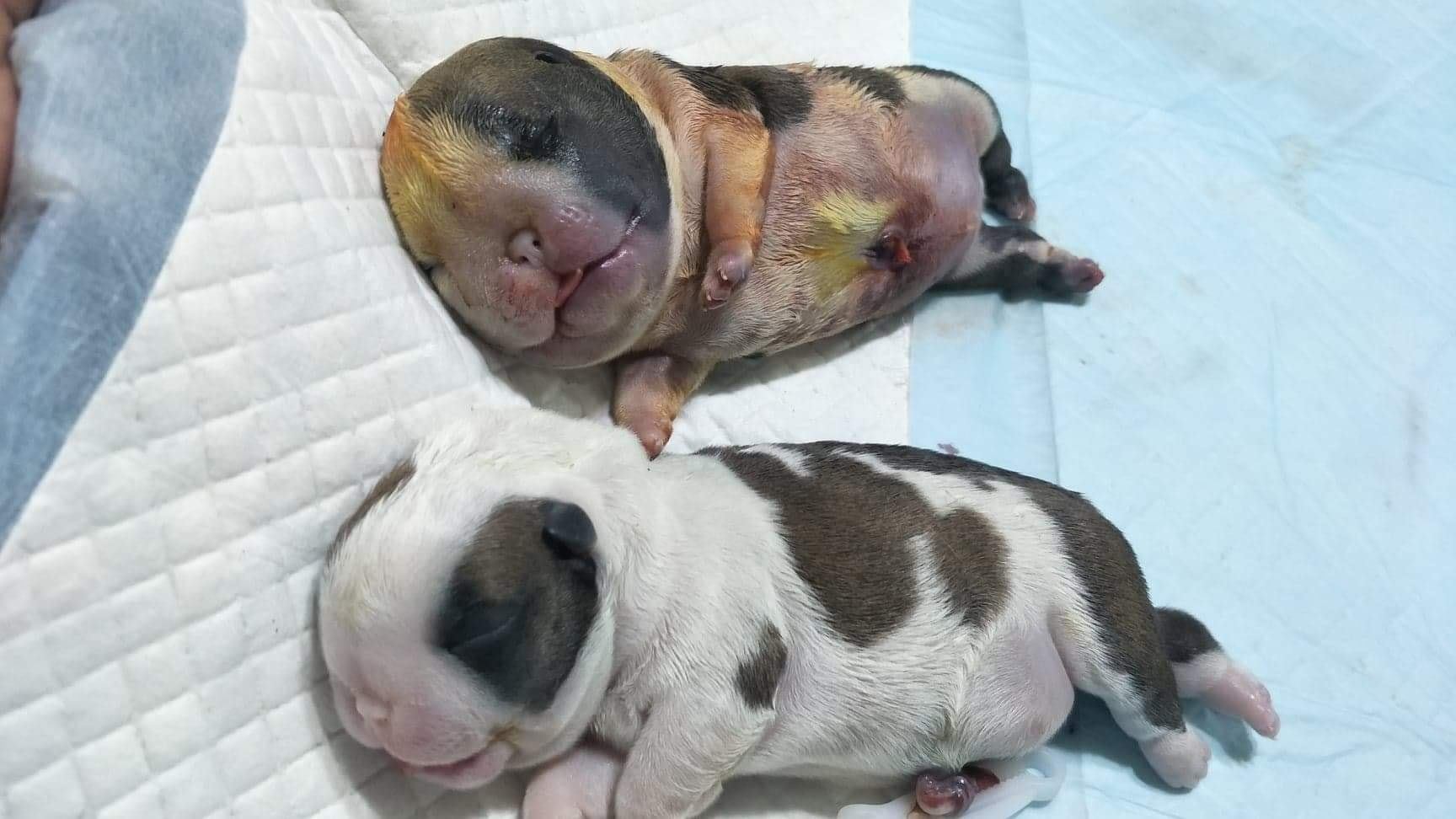
Diagnosis of water puppy syndrome is usually immediate and made based on striking clinical signs—the puppy feels like a tightly filled water balloon and appears flat, swollen, and bloated. The veterinarian may perform diagnostic imaging tests such as X-rays or ultrasounds to assess the extent of the fluid in the lungs (pulmonary edema) and evaluate the internal organs.
The initial treatment of water puppy syndrome is a race against time to address the puppy’s respiratory distress and stabilize vital signs:
- Oxygen Therapy: Fluid pressure on the lungs makes breathing incredibly difficult. Pure oxygen is provided via an incubator to keep the puppy stable.
- Temperature Regulation: Because their bodies are compromised, these puppies cannot regulate their own body heat. They must be kept in a carefully controlled, heated environment to prevent fatal hypothermia or hyperthermia.
Medical Intervention: Flushing and Draining Fluid
Getting the excess fluid out of the puppy’s body is the absolute priority.
Diuretic Therapy
The frontline treatment for Canine Anasarca involves the administration of powerful diuretics (like Furosemide/Lasix). These medications force the puppy’s kidneys to rapidly excrete the trapped fluid through urination. Vets will monitor the puppy closely, as extreme fluid loss can lead to dangerous potassium depletion, often requiring supplemental potassium drops.
Drainage of Excess Fluid
In severe cases where fluid is heavily trapped in body cavities (rather than just under the skin), puppies may require physical drainage. This can be done using specialized techniques, including:
- Thoracocentesis: Drainage of fluid directly from the chest cavity to allow the lungs to expand.
- Abdominocentesis: Drainage of fluid from the swollen abdomen.
This drainage procedure is meticulously performed under sedation, and the fluid is removed using a sterile needle or catheter. The puppy must be monitored closely to ensure there are no complications, such as internal bleeding or infection.
Nutritional Support and Tube Feeding
Puppies with water puppy syndrome are almost always too weak, swollen, or respiratory-compromised to latch onto their mother and nurse naturally. If they try to nurse, they run a high risk of inhaling milk into their fluid-filled lungs (aspiration pneumonia).
Therefore, they require intense nutritional support to help them recover and grow. This usually involves tube feeding a high-quality canine milk replacer directly into their stomach every 2 to 3 hours. It is imperative to work closely with your veterinarian to learn the proper tube-feeding technique to ensure the puppy’s nutritional needs are met safely while their underlying dog health condition resolves.
Long-Term Management and Survival
For puppies that survive the critical first 48 to 72 hours of water puppy syndrome, their long-term prognosis is actually quite good. Once the fluid is fully cleared from their system, many go on to live completely normal, healthy lives without lasting side effects.
However, ongoing care is necessary to ensure their continued well-being. This includes regular veterinary check-ups to monitor their heart and lung development. Because they missed out on early maternal interactions while in the incubator, extra attention to early socialization and gentle behavioral training is essential to help them develop into well-adjusted adult dogs.
Prevention Strategies for Breeders
While there is no 100% guaranteed way to prevent water puppy syndrome, responsible breeders can take strict steps to significantly reduce the risk:
- Dietary Management: Many experts believe high sodium intake during pregnancy contributes to the condition. Breeders should monitor the mother’s diet carefully and avoid excessive sodium or inappropriate supplements.
- Genetic Screening: Because the condition heavily impacts specific bloodlines, dogs that have produced water puppies in the past (both the sire and the dam) should be carefully evaluated and potentially retired from breeding programs.
- Veterinary Monitoring: Pregnant dogs, especially Bulldogs and Pugs, should receive regular ultrasound check-ups to monitor puppy development and plan for a safe, timely C-section if anasarca is suspected.
Conclusion
Water puppy syndrome is a devastating and stressful condition that requires prompt diagnosis and intensive, round-the-clock supportive care. While it is highly lethal if ignored, early veterinary intervention, diuretic therapy, and safe fluid management can rapidly turn the tide and improve the puppy’s chances of survival.
Nutritional support through tube feeding and careful temperature regulation are critical while the puppy heals. It is crucial that breeders and owners work closely with their veterinarians to provide the best possible care for these fragile newborns. Through proper, aggressive management in the first few days of life, many puppies with water puppy syndrome can go on to live normal, happy, and incredibly fulfilling lives.
Frequently Asked Questions (FAQ)
Can a puppy survive water puppy syndrome?
Yes, but survival depends entirely on the severity of the swelling and how quickly veterinary treatment is administered. Mild to moderate cases have a good survival rate if treated immediately with diuretics, oxygen, and tube feeding. Severe cases, where the organs are deeply compromised, often have a poor prognosis.
What causes a puppy to be born a “water puppy”?
The exact cause of Canine Anasarca is not completely understood, but it is heavily linked to genetics, particularly in brachycephalic (flat-faced) breeds like Bulldogs. Other suspected causes include congenital heart defects, lymphatic system abnormalities, and excessive sodium in the mother’s diet during pregnancy.
Can I drain the fluid from a water puppy myself?
No. You should never attempt to drain fluid from a puppy with a needle at home. This is incredibly dangerous and can easily puncture a vital organ or introduce a fatal bacterial infection. Fluid reduction must be handled by a veterinarian using prescription diuretics or sterile surgical drainage.
Does water puppy syndrome affect the mother dog?
While the syndrome itself only affects the puppies, it poses a massive physical threat to the mother. Because water puppies are so swollen and abnormally large, they usually cannot be delivered naturally. If a breeder does not intervene with an emergency C-section, the mother can suffer a fatal uterine rupture or dystocia (obstructed labor).