
Pet fleas are tiny, wingless, blood-sucking parasites that can quickly turn a peaceful home into a nightmare, making life absolutely miserable for pets and their owners alike. These pesky creatures are not just a nuisance; they cause intense itching, severe skin irritation, and can even transmit dangerous diseases to both your furry friends and your human family members.
- Understanding the Enemy: The Flea Lifecycle
- The Health Risks: Why Flea Prevention is Mandatory
- 5 Steps to Keep Fleas Off Your Pet
- 1. Use Vet-Approved Flea Preventative Products
- 2. Keep Your Pet Clean and Groomed
- 3. Eradicate Fleas in Your Home
- 4. Treat and Maintain Your Yard
- 5. Check for Fleas Regularly (The Paper Towel Test)
- Conclusion
- Frequently Asked Questions (FAQ)
- Can my strictly indoor cat or dog get fleas?
- How long does it take to completely get rid of a flea infestation in the house?
- Are natural flea remedies, like garlic or essential oils, safe and effective?
- Why am I still seeing fleas on my pet after applying topical medication?
- References
If you have ever dealt with a full-blown flea infestation, you know how incredibly frustrating it can be to eradicate them. The secret to winning the war against these parasites is a multi-layered approach: you must treat the pet, the house, and the yard simultaneously. Fortunately, veterinary science has advanced significantly, and there are several highly effective ways to keep fleas off your pet and prevent infestations from ever occurring in your home.
In this comprehensive 2026 guide, we will break down the science of the flea lifecycle, the health risks they pose, and the five ultimate steps you must take to protect your pet and your household.
Understanding the Enemy: The Flea Lifecycle
To effectively keep fleas off your pet, you must first understand how they survive and multiply. Treating just the adult fleas on your dog or cat will never solve the problem, because adult fleas only make up about 5% of the total flea population in your home! The other 95% are in various stages of development hidden in your carpets, furniture, and yard.
- Eggs: An adult female flea can lay up to 50 eggs a day. These eggs are laid on your pet but quickly fall off like salt from a shaker wherever your pet walks, sleeps, or plays.
- Larvae: The eggs hatch into microscopic, worm-like larvae that burrow deep into dark places—like carpet fibers and floorboard cracks—feeding on organic debris and flea dirt (adult flea feces).
- Pupae: The larvae spin themselves into sticky, protective cocoons. In this stage, they are nearly invincible to household chemicals and can lie dormant for months, waiting for the vibration or body heat of a passing host to emerge.
- Adults: The newly hatched adult jumps onto your pet, begins feeding within minutes, and the cycle starts all over again.
Breaking this lifecycle is the only way to achieve permanent relief.
The Health Risks: Why Flea Prevention is Mandatory
Fleas are more than just an itchy annoyance. They pose serious, sometimes life-threatening health risks to your pets.
- Flea Allergy Dermatitis (FAD): This is the most common skin disease in dogs and cats. Some pets are highly allergic to the proteins in flea saliva. For these pets, a single flea bite can trigger a massive allergic reaction, leading to intense, whole-body itching, hair loss, and painful secondary skin infections.
- Tapeworms: If your pet inadvertently swallows an infected flea while grooming or biting at an itch, that flea can transmit a tapeworm infection into your pet’s intestinal tract.
- Anemia: Because fleas consume blood, a severe infestation on a small puppy, kitten, or senior pet can lead to life-threatening anemia (a dangerously low red blood cell count).
5 Steps to Keep Fleas Off Your Pet
1. Use Vet-Approved Flea Preventative Products
The absolute most critical step to keep fleas off your pet is the consistent, year-round use of veterinary-grade preventative products. Over-the-counter grocery store collars and cheap drops often use older chemicals that fleas have grown highly resistant to. Always consult your veterinarian to choose the safest, most effective option for your specific pet’s age, weight, and health status.
- Oral Medications: These are highly palatable, chewable pills given once a month or once every three months (depending on the brand). They work systemically; when a flea bites your pet, it ingests the medication and dies before it can lay eggs. They are incredibly effective and leave no messy residue on the fur.
- Topical Treatments: Applied directly to the skin on the back of your pet’s neck, these liquid treatments spread across the lipid layer of the skin. They kill fleas on contact, meaning the flea does not even need to bite your pet to die. They typically provide protection for 30 days.
- Prescription Flea Collars: Unlike cheap supermarket collars, veterinary-grade collars (like the Seresto collar) slowly and continuously release active ingredients over 8 months, offering long-lasting, reliable protection.
2. Keep Your Pet Clean and Groomed
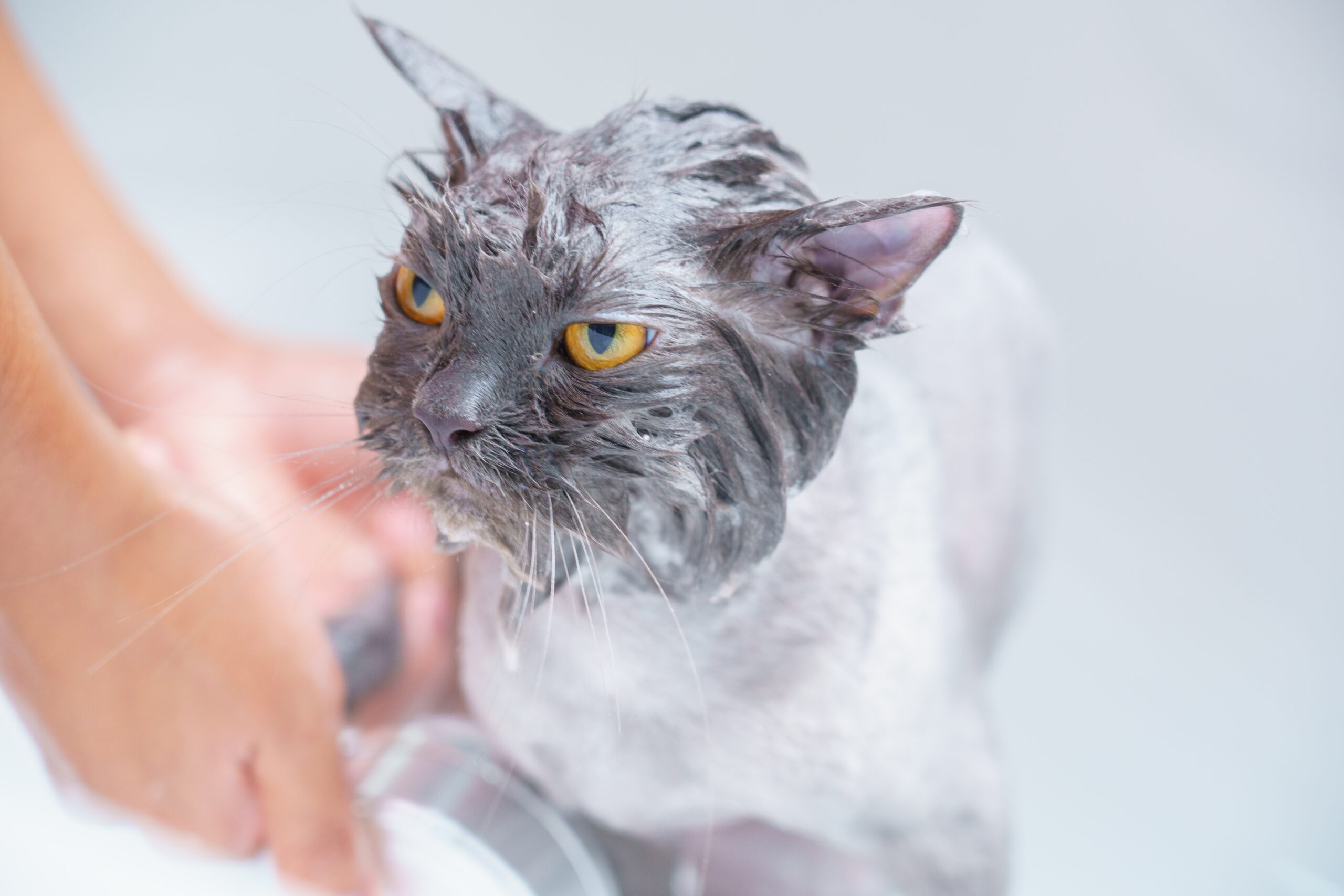
While preventative medication is your main shield, physical grooming is your early warning system.
One of the best tools in your arsenal is a high-quality, fine-toothed flea comb. Regularly comb your pet, paying special attention to the base of the tail, the neck, and the belly. Keep a bowl of warm, soapy water nearby; if you trap a live flea in the comb, immediately dunk it in the soapy water to drown it.
Bathing your pet can also provide immediate relief if they are currently infested. A gentle pet shampoo will physically wash away adult fleas and their feces. However, be cautious: avoid over-bathing your pet, as this strips their coat of natural, protective oils and can lead to severe dry skin. Furthermore, heavy bathing can wash off certain topical flea treatments, so always check the product label or consult your vet.
3. Eradicate Fleas in Your Home

Because 95% of a flea infestation lives in your house, not on your pet, treating your environment is non-negotiable.
Vacuum your home vigorously and frequently—at least every other day during an active infestation. Vacuuming physically removes eggs and larvae, but more importantly, the vibration stimulates the dormant pupae to hatch into vulnerable adults, which can then be sucked up or killed by home treatments. *Pro tip: Always empty your vacuum canister in an outside trash can immediately after vacuuming!*
Wash all pet bedding, plush toys, and your own bed sheets in the hottest water possible to destroy hidden eggs. If you are struggling to maintain a flea-free home due to wall-to-wall carpeting, you might want to rethink your flooring. If you are considering an upgrade, these 7 tips will help you make the right choice: Pet-Friendly Carpeting – 7 Tips for Pet Owners.
For severe infestations, you may need to use premise sprays or foggers that contain an Insect Growth Regulator (IGR). An IGR stops eggs and larvae from maturing into reproducing adults, effectively breaking the cycle.
4. Treat and Maintain Your Yard

Fleas thrive in dark, warm, and humid outdoor environments. They do not like direct sunlight. Therefore, to keep fleas off your pet when they go outside, you must make your yard inhospitable to parasites.
Keep your lawn mowed short and relentlessly remove organic debris like piles of dead leaves, grass clippings, and brush where fleas love to breed. Pay special attention to the shaded areas where your pet likes to rest, such as under decks, large bushes, or patio furniture.
You can use pet-safe yard sprays targeting these specific shaded zones. Alternatively, a popular natural method is applying “beneficial nematodes” to your soil. These are microscopic, naturally occurring worms that actively hunt and consume flea larvae in the dirt without harming your plants or pets.
5. Check for Fleas Regularly (The Paper Towel Test)
The best offense is a good defense. Catching a flea problem early is the easiest way to prevent a full-blown house infestation.
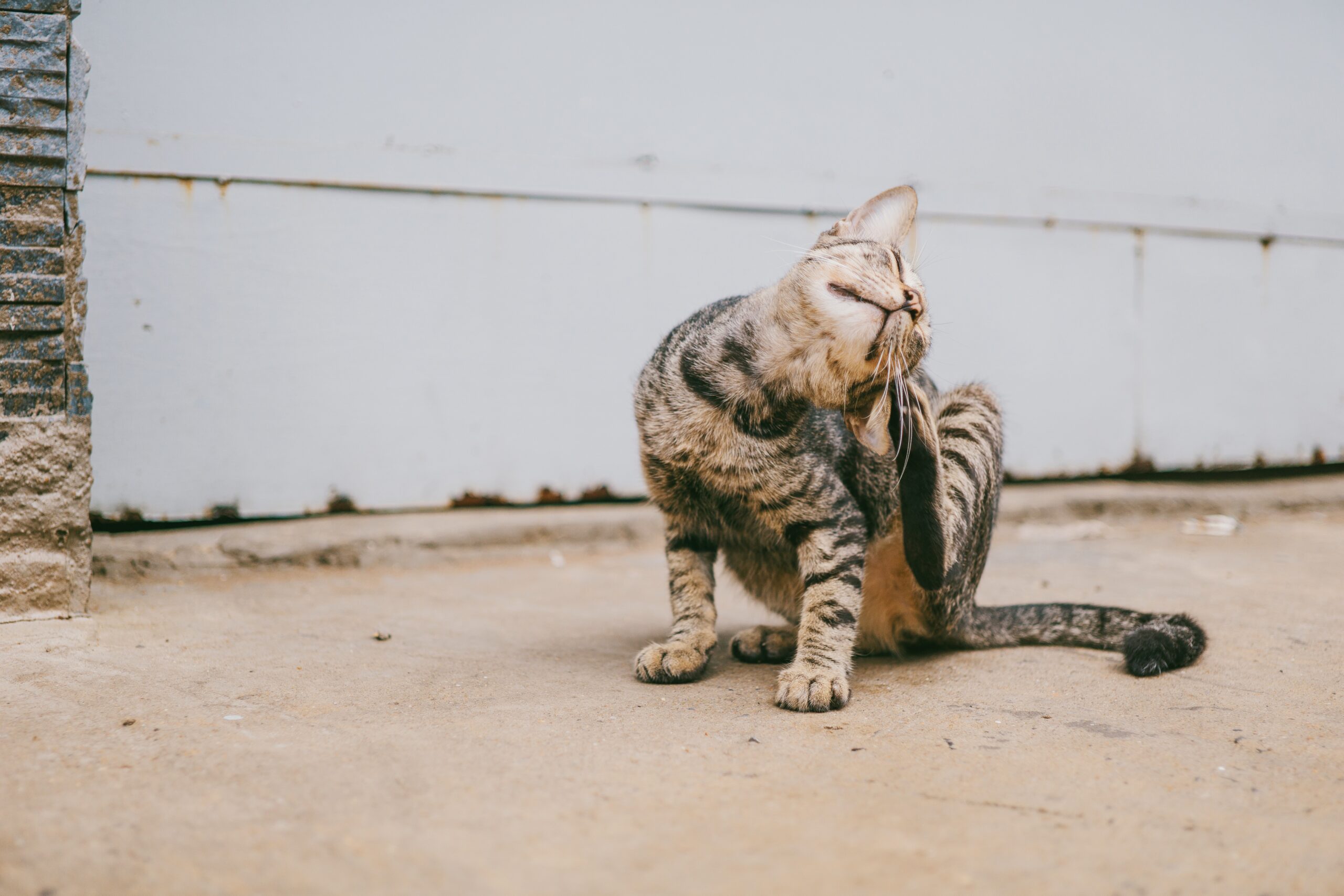
Watch for behavioral signs like sudden, intense scratching, nibbling at the base of the tail, or sudden restlessness. However, the most definitive proof of a flea issue is finding “flea dirt.” Flea dirt looks like ordinary black specks of pepper on your pet’s skin.
The Paper Towel Test: If you see dark specks but aren’t sure if it’s regular dirt or flea dirt, take a damp, white paper towel and gently press it against the specks. If the specks dissolve into a rusty red or brown color, that is dried blood. You have a flea problem and need to take immediate action.
Conclusion
Fleas are a formidable, frustrating opponent, but they are entirely defeatable. By using high-quality, vet-approved preventative products, maintaining strict hygiene for your pet, relentlessly cleaning your home, treating your yard, and actively checking for signs of parasites, you can successfully keep fleas off your pet. Prevention is always vastly cheaper and less stressful than treating a full-blown infestation. If you are ever overwhelmed, do not hesitate to contact your veterinarian for a customized, aggressive flea-eradication plan.
Frequently Asked Questions (FAQ)
Can my strictly indoor cat or dog get fleas?
Yes, absolutely. Even if your pet never sets foot outside, fleas are excellent hitchhikers. You or your guests can easily carry a flea inside on your shoes, socks, or pant legs. Furthermore, if you live in an apartment building, fleas can travel from neighboring infested units or be brought in by rodents in the walls. All pets, regardless of lifestyle, should be on preventative medication.
How long does it take to completely get rid of a flea infestation in the house?
Because of the highly resilient “pupae” stage of the flea lifecycle, it can take up to three to four months of consistent, aggressive treatment to completely break the cycle and eradicate an infestation from your home. You must continue vacuuming and using preventative pet medications long after you stop seeing adult fleas.
Are natural flea remedies, like garlic or essential oils, safe and effective?
No. Veterinary professionals strongly advise against relying on natural remedies. Feeding your pet garlic is highly toxic and can cause life-threatening anemia (Heinz body anemia). Similarly, many essential oils (like tea tree, eucalyptus, and citrus oils) are severely toxic to pets, especially cats, causing liver failure and neurological damage. Always rely on scientifically proven, vet-approved medications.
Why am I still seeing fleas on my pet after applying topical medication?
Topical medications do not create an invisible forcefield around your pet; the flea has to jump onto the treated hair coat to absorb the poison and die. If you are treating a home infestation, you will continue to see newly hatched adult fleas jumping onto your pet from the carpet. The medication will kill them, but it takes time. If you are consistently seeing live fleas weeks after treatment, consult your vet, as you may need to escalate your home environmental treatment.